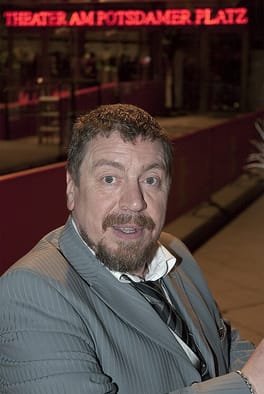
Photo: Siebbi / CC BY 3.0 (source: Wikimedia Commons)
Armin Rohde was born on April 4, 1955 in Gladbeck, North Rhine-Westphalia, Germany and is credited as a film actor, voice actor and speaker. That puts Armin Rohde at 71 years old in 2026. Schooling on record includes Folkwang University of the Arts. Awards on record include Grimme-Preis (2004), DIVA – Deutscher Entertainment Preis (2010), Hessian TV Award (2015) and 3 more.
My Take
I have a soft spot for German character actors, and Armin Rohde fits the mold perfectly. Coming out of Gladbeck, a gritty Ruhr-region town, he carries a weathered, lived-in presence that polished leading men rarely have. The fact that he works as a voice actor and photographer too tells me he is genuinely restless about expression rather than coasting on a single craft. His 2004 Grimme-Preis is no small honor in German television. Rohde strikes me as a quiet workhorse, the kind of performer who anchors a scene without demanding the spotlight, and I would happily watch that face for hours.
This take was written by generative AI, one per person, from publicly reported facts (editorial policy). It is a reading of the record, not reporting.
1. Profile
- Name (English)
- Armin Rohde
- Name (Japanese)
- アーミン・ローデ
- Reading
- あーみん・ろーで
- Born
- April 4, 1955 (age 71)
- Origin
- Gladbeck, North Rhine-Westphalia, Germany
- Occupation
- film actor / voice actor / speaker / photographer / actor
- Zodiac / Chinese zodiac
- Aries / Goat
2. Background
- University
- Folkwang University of the Arts
Awards & achievements
- 2004 Grimme-Preis
- 2010 DIVA – Deutscher Entertainment Preis
- 2015 Hessian TV Award
- 2013 Deutscher Schauspielpreis
- 2012 Bavarian TV Awards
- 2012 Askania Award
3. Links
4. About this entry
Tags
- Last updated
Facts are limited to publicly available information up to 2024; non-public or unconfirmed items are omitted. English text is machine-assisted (facts translated by Sonnet, "My Take" written by Opus 4.8). The Japanese page is the source of record.
Frequently asked questions
When was Armin Rohde born?
Born April 4, 1955 (age 71).
Where is Armin Rohde from?
Armin Rohde is from Gladbeck, North Rhine-Westphalia, Germany.
What does Armin Rohde do?
Armin Rohde works as film actor, voice actor, speaker, photographer, actor.
Film actor — see all → · Voice actor — see all → · More people from Germany →