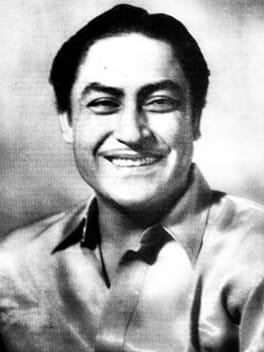
Photo: Unknown author / Public domain (source: Wikimedia Commons)
Ashok Kumar was credited as an actor, film director and film producer. Ashok Kumar was born in Bhagalpur, Bhagalpur district, India on October 13, 1911. Death is recorded on December 10, 2001, at the age of 90. Education on record includes University of Calcutta. Listed accolades include Sangeet Natak Akademi Award (1959), Filmfare Lifetime Achievement Award (1995), Dadasaheb Phalke Award (1988) and 3 more.
My Take
Ashok Kumar fascinates me less as a list of awards than as a living bridge to the very birth of Indian cinema. Educated at Presidency College in Calcutta, he jumped into a disreputable young industry in the 1930s and became its first superstar, he had the nerve to play the first anti-hero too. What I admire most is his refusal to stay in one lane: actor, director, producer, even singer, working almost to his nineties. The Dadasaheb Phalke Award and Padma Bhushan feel less like trophies than like a nation acknowledging a man who helped invent its dream factory. He earned every bit of that reverence.
This take was written by generative AI, one per person, from publicly reported facts (editorial policy). It is a reading of the record, not reporting.
1. Profile
- Name (English)
- Ashok Kumar
- Name (Japanese)
- アショーク・クマール
- Reading
- あしょーく・くまーる
- Born
- October 13, 1911 – December 10, 2001
- Origin
- Bhagalpur, Bhagalpur district, India
- Occupation
- actor / film director / film producer / singer
- Zodiac / Chinese zodiac
- Libra / Boar
2. Background
- University
- University of Calcutta
Awards & achievements
- 1959 Sangeet Natak Akademi Award
- 1995 Filmfare Lifetime Achievement Award
- 1988 Dadasaheb Phalke Award
- 1999 Padma Bhushan
- 1969 National Film Award for Best Actor
- 1962 Padma Shri in arts
3. Links
4. About this entry
Tags
- Last updated
Facts are limited to publicly available information up to 2024; non-public or unconfirmed items are omitted. English text is machine-assisted (facts translated by Sonnet, "My Take" written by Opus 4.8). The Japanese page is the source of record.
Frequently asked questions
When was Ashok Kumar born?
Ashok Kumar was born on October 13, 1911.
When did Ashok Kumar die?
Ashok Kumar died on December 10, 2001, aged 90.
Where was Ashok Kumar from?
Ashok Kumar was from Bhagalpur, Bhagalpur district, India.
What did Ashok Kumar do?
Ashok Kumar worked as actor, film director, film producer, singer.
Where did Ashok Kumar study?
Ashok Kumar attended University of Calcutta.
Actor — see all → · Film director — see all → · More people from India → · More people born on October 13 →