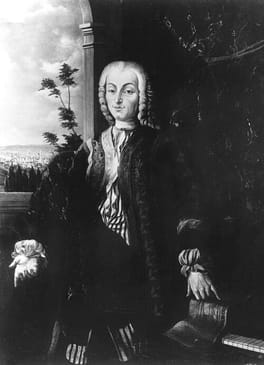
Photo: Unidentified painter / Public domain (source: Wikimedia Commons)
Bartolomeo Cristofori was credited as a musical instrument maker, piano maker and inventor. Bartolomeo Cristofori was born in Padua, Province of Padua, Italy on May 4, 1655. Death is recorded on January 27, 1731, at the age of 75.
My Take
Cristofori is one of those quiet giants I keep coming back to. He didn't front a band or chase fame; he sat in a Paduan workshop and solved a problem nobody else had cracked, giving the keyboard a hammer action that could play both soft and loud. Every grand piano, every Chopin nocturne, every jazz ballad traces back to his hands. What I admire most is the patience of it, the willingness to be an inventor whose name most listeners never learn. I find that kind of foundational, unglamorous genius far more moving than louder reputations.
This take was written by generative AI, one per person, from publicly reported facts (editorial policy). It is a reading of the record, not reporting.
1. Profile
- Name (English)
- Bartolomeo Cristofori
- Name (Japanese)
- バルトロメオ・クリストフォリ
- Reading
- ばるとろめお・くりすとふぉり
- Born
- May 4, 1655 – January 27, 1731
- Origin
- Padua, Province of Padua, Italy
- Occupation
- musical instrument maker / piano maker / inventor / harpsichord maker / musician
- Zodiac / Chinese zodiac
- Taurus / Goat
2. Links
3. About this entry
Tags
- Last updated
Facts are limited to publicly available information up to 2024; non-public or unconfirmed items are omitted. English text is machine-assisted (facts translated by Sonnet, "My Take" written by Opus 4.8). The Japanese page is the source of record.
Frequently asked questions
When was Bartolomeo Cristofori born?
Bartolomeo Cristofori was born on May 4, 1655.
When did Bartolomeo Cristofori die?
Bartolomeo Cristofori died on January 27, 1731, aged 75.
Where was Bartolomeo Cristofori from?
Bartolomeo Cristofori was from Padua, Province of Padua, Italy.
What did Bartolomeo Cristofori do?
Bartolomeo Cristofori worked as musical instrument maker, piano maker, inventor, harpsichord maker, musician.