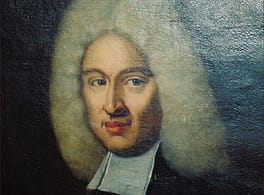
Photo: Unknown author / Public domain (source: Wikimedia Commons)
Born on March 6, 1654, Ludovico Roncalli was from Bergamo, Province of Bergamo, Italy. Ludovico Roncalli was a composer, guitarist and lutenist. Death is recorded on January 1, 1713, at the age of 58.
My Take
Ludovico Roncalli fascinates me because he was a nobleman who gave his soul to music. Born in Bergamo in 1654, a younger son of a count, he could have treated composition as an aristocratic hobby and faded from memory. Instead his guitar and lute suites are still lovingly performed by classical guitarists today. There is real romance in that: sounds written more than three centuries ago still ringing under modern fingertips. He left few colorful anecdotes, only the most honest legacy a musician can leave, the score itself. I have profound respect for talent that survives quietly across the centuries.
This take was written by generative AI, one per person, from publicly reported facts (editorial policy). It is a reading of the record, not reporting.
1. Profile
- Name (English)
- Ludovico Roncalli
- Name (Japanese)
- ルドヴィコ・ロンカッリ
- Reading
- るどゔぃこ・ろんかっり
- Born
- March 6, 1654 – January 1, 1713
- Origin
- Bergamo, Province of Bergamo, Italy
- Occupation
- composer / guitarist / lutenist
- Zodiac / Chinese zodiac
- Pisces / Horse
2. Links
3. About this entry
Tags
- Last updated
Facts are limited to publicly available information up to 2024; non-public or unconfirmed items are omitted. English text is machine-assisted (facts translated by Sonnet, "My Take" written by Opus 4.8). The Japanese page is the source of record.
Frequently asked questions
When was Ludovico Roncalli born?
Born March 6, 1654.
When did Ludovico Roncalli die?
Died January 1, 1713, aged 58.
Where was Ludovico Roncalli from?
Ludovico Roncalli was from Bergamo, Province of Bergamo, Italy.
What did Ludovico Roncalli do?
Ludovico Roncalli worked as composer, guitarist, lutenist.
Composer — see all → · Guitarist — see all → · More people from Italy →