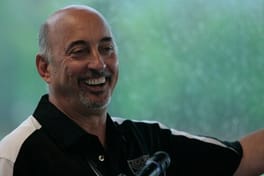
Photo: Legends Of Motorsports / CC BY-SA 2.0 (source: Wikimedia Commons)
Born on January 10, 1953, Bobby Rahal is from Medina, Ohio, United States. Bobby Rahal is listed as a Formula One driver, racing automobile driver and businessperson. That works out to 73 years old in 2026. Schooling on record includes Glenbard West High School and Denison University. Listed accolades include Motorsports Hall of Fame of America.
My Take
Bobby Rahal reads to me as a rare case of a driver who was just as sharp as a team owner. Winning the 1986 Indianapolis 500 plus three CART championships and 24 races is a serious driving record on its own. But what I respect more is the second act: as co-owner of Rahal Letterman Lanigan Racing he won the Indy 500 again in 2004 and 2020, including with Takuma Sato, which gives him a nice thread to Japanese fans. The Motorsports Hall of Fame nod feels deserved. Plenty of champions fade after the cockpit, so building a winning organization impresses me.
This take was written by generative AI, one per person, from publicly reported facts (editorial policy). It is a reading of the record, not reporting.
1. Profile
- Name (English)
- Bobby Rahal
- Name (Japanese)
- ボビー・レイホール
- Reading
- ぼびー・れいほーる
- Born
- January 10, 1953 (age 73)
- Origin
- Medina, Ohio, United States
- Occupation
- Formula One driver / racing automobile driver / businessperson
- Zodiac / Chinese zodiac
- Capricorn / Snake
2. Background
- High school
- Glenbard West High School
- University
- Denison University
Awards & achievements
- Motorsports Hall of Fame of America
3. Links
4. About this entry
Tags
- Last updated
Facts are limited to publicly available information up to 2024; non-public or unconfirmed items are omitted. English text is machine-assisted (facts translated by Sonnet, "My Take" written by Opus 4.8). The Japanese page is the source of record.
Frequently asked questions
When was Bobby Rahal born?
Born January 10, 1953 (age 73).
Where is Bobby Rahal from?
Bobby Rahal is from Medina, Ohio, United States.
What does Bobby Rahal do?
Bobby Rahal works as Formula One driver, racing automobile driver, businessperson.
Formula One driver — see all → · Racing automobile driver — see all → · More people from the United States →