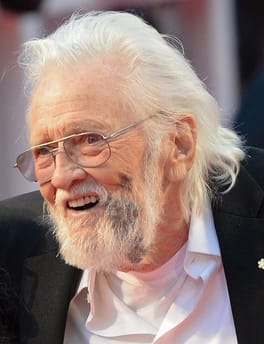
Photo: John Bauld from Toronto, Canada / CC BY 2.0 (source: Wikimedia Commons)
Ronnie Hawkins was a songwriter, singer and actor, born on January 10, 1935 in Huntsville, Arkansas, United States. Ronnie Hawkins died on May 29, 2022, aged 87. Schooling on record includes Fayetteville High School. Awards on record include Officer of the Order of Canada.
My Take
Ronnie Hawkins strikes me as the living warmth of rock and roll. Born in rural Arkansas, he planted himself in Ontario and ran a career spanning sixty-six years, becoming a fixture of the Canadian music scene and earning the Order of Canada. What moves me is how an outsider became the very face of a country's sound, by sheer charisma and generosity. He famously mentored and championed countless younger musicians, and that big, gruff voice carried real soul. He passed in 2022, but I suspect his influence keeps echoing through every bar band he ever inspired north of the border.
This take was written by generative AI, one per person, from publicly reported facts (editorial policy). It is a reading of the record, not reporting.
1. Profile
- Name (English)
- Ronnie Hawkins
- Name (Japanese)
- ロニー・ホーキンズ
- Reading
- ろにー・ほーきんず
- Born
- January 10, 1935 – May 29, 2022
- Origin
- Huntsville, Arkansas, United States
- Occupation
- songwriter / singer / actor / rock musician / pianist
- Zodiac / Chinese zodiac
- Capricorn / Boar
2. Background
- High school
- Fayetteville High School
Awards & achievements
- Officer of the Order of Canada
3. Links
- Official sitehttp://www.ronniehawkins.com
- Wikipedia (English)https://en.wikipedia.org/wiki/Ronnie%20Hawkins
- Wikipedia (Japanese)https://ja.wikipedia.org/wiki/%E3%83%AD%E3%83%8B%E3%83%BC%E3%83%BB%E3%83%9B%E3%83%BC%E3%82%AD%E3%83%B3%E3%82%BA
- Wikidatahttps://www.wikidata.org/wiki/Q766930
4. About this entry
Tags
- Last updated
Facts are limited to publicly available information up to 2024; non-public or unconfirmed items are omitted. English text is machine-assisted (facts translated by Sonnet, "My Take" written by Opus 4.8). The Japanese page is the source of record.
Frequently asked questions
When was Ronnie Hawkins born?
Born January 10, 1935.
When did Ronnie Hawkins die?
Died May 29, 2022, aged 87.
Where was Ronnie Hawkins from?
Ronnie Hawkins was from Huntsville, Arkansas, United States.
What did Ronnie Hawkins do?
Ronnie Hawkins worked as songwriter, singer, actor, rock musician, pianist.
Songwriter — see all → · Singer — see all → · More people from the United States →