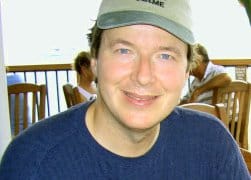
Photo: uploaded on en.wp by User:Rebol (uploaded on Commons by User:Ims) / Public domain (source: Wikimedia Commons)
Carl Sassenrath is listed as an engineer and computer scientist. Carl Sassenrath studied at University of California, Davis.
My Take
Carl Sassenrath is the kind of figure I genuinely admire. Bringing true multitasking to personal computers through the Amiga kernel in 1985 was no small feat; he gave ordinary machines a capability we now take entirely for granted. Not content with one landmark, he went on to design the REBOL language, a collaboration environment, and a private messaging system. That is a restless, building mind that never stops shipping new tools. He is not a household name, but the conveniences we lean on daily rest partly on foundations he laid. I find that quiet, prolific craftsmanship far more impressive than fame.
This take was written by generative AI, one per person, from publicly reported facts (editorial policy). It is a reading of the record, not reporting.
1. Profile
- Name (English)
- Carl Sassenrath
- Name (Japanese)
- カール・サセンラス
- Reading
- かーる・させんらす
- Born
- 1957
- Origin
- California, United States
- Occupation
- engineer / computer scientist
- Zodiac / Chinese zodiac
- Rooster
2. Background
- University
- University of California, Davis
3. Links
4. About this entry
Tags
- Last updated
Facts are limited to publicly available information up to 2024; non-public or unconfirmed items are omitted. English text is machine-assisted (facts translated by Sonnet, "My Take" written by Opus 4.8). The Japanese page is the source of record.
Frequently asked questions
Where is Carl Sassenrath from?
Carl Sassenrath is from California, United States.
What does Carl Sassenrath do?
Carl Sassenrath works as engineer, computer scientist.
Engineer — see all → · Computer scientist — see all → · More people from the United States →