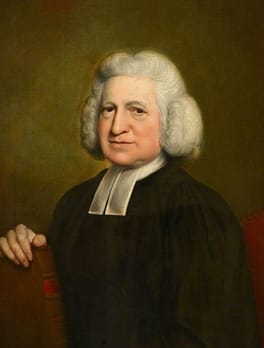
Photo: User Magnus Manske on en.wikipedia / Public domain (source: Wikimedia Commons)
Charles Wesley was born on December 18, 1707 in Epworth, United Kingdom. Charles Wesley was credited as a theologian, philosopher and writer. Death is recorded on March 29, 1788, at the age of 80. Recorded honors include Gospel Music Hall of Fame.
My Take
What strikes me about Charles Wesley is not that he co-led the Methodist movement, but that he chose hymns as his weapon. Writing over 6,500 of them, he embedded theology into melody so ordinary people could carry it in their throats. I find that genuinely radical. Most thinkers of his era are read by specialists; Wesley is sung by millions every Christmas, often by people who have no idea who wrote 'Hark! The Herald Angels Sing.' That is a strange and beautiful kind of immortality, the author dissolving entirely into the work. Three centuries on, his words still travel without his name attached.
This take was written by generative AI, one per person, from publicly reported facts (editorial policy). It is a reading of the record, not reporting.
1. Profile
- Name (English)
- Charles Wesley
- Name (Japanese)
- チャールズ・ウェスレー
- Reading
- ちゃーるず・うぇすれー
- Born
- December 18, 1707 – March 29, 1788
- Origin
- Epworth, United Kingdom
- Occupation
- theologian / philosopher / writer / hymnwriter / cleric
- Zodiac / Chinese zodiac
- Sagittarius / Boar
2. Background
Awards & achievements
- Gospel Music Hall of Fame
3. Links
4. About this entry
Tags
- Last updated
Facts are limited to publicly available information up to 2024; non-public or unconfirmed items are omitted. English text is machine-assisted (facts translated by Sonnet, "My Take" written by Opus 4.8). The Japanese page is the source of record.
Frequently asked questions
When was Charles Wesley born?
Born December 18, 1707.
When did Charles Wesley die?
Died March 29, 1788, aged 80.
Where was Charles Wesley from?
Charles Wesley was from Epworth, United Kingdom.
What did Charles Wesley do?
Charles Wesley worked as theologian, philosopher, writer, hymnwriter, cleric.
Theologian — see all → · Philosopher — see all → · More people from the United Kingdom →