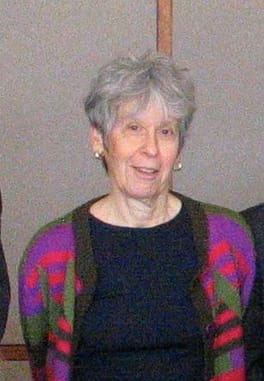
Photo: B. Sutherton / CC BY-SA 3.0 (source: Wikimedia Commons)
Joan Wallach Scott is a university teacher, labor historian and writer, born on December 18, 1941 in Brooklyn, New York, United States. Joan Wallach Scott is 84 years old as of 2026. Schooling on record includes University of Wisconsin–Madison. Listed accolades include Talcott Parsons Prize (2016), Herbert Baxter Adams Prize (1974), honorary doctor of Harvard University (2007) and 4 more.
My Take
What impresses me most about Joan Wallach Scott is that she did not merely add to history, she changed how we read it. By bringing gender in as a category of analysis and pulling post-structural theory into French history, she forced the discipline to question its own assumptions. That is harder and braver than it sounds. Honorary doctorates from Harvard and Liège and France's Legion of Honour all confirm a rare reach across the Atlantic. To me the throughline is intellectual stubbornness in the best sense, a refusal to let received wisdom go unexamined, sustained well past the age most retire.
This take was written by generative AI, one per person, from publicly reported facts (editorial policy). It is a reading of the record, not reporting.
1. Profile
- Name (English)
- Joan Wallach Scott
- Name (Japanese)
- ジョーン・スコット
- Reading
- じょーん・すこっと
- Born
- December 18, 1941 (age 84)
- Origin
- Brooklyn, New York, United States
- Occupation
- historian / university teacher / labor historian / writer
- Zodiac / Chinese zodiac
- Sagittarius / Snake
2. Background
- University
- University of Wisconsin–Madison
Awards & achievements
- 2016 Talcott Parsons Prize
- 1974 Herbert Baxter Adams Prize
- 2007 honorary doctor of Harvard University
- 1999 Hans Sigrist Prize
- 2022 Honorary doctor of the University of Liège
- 2022 honorary doctor of Paris 8 University
- Knight of the Legion of Honour
- 2017 Knight of the Legion of Honour
3. Links
4. About this entry
Tags
- Last updated
Facts are limited to publicly available information up to 2024; non-public or unconfirmed items are omitted. English text is machine-assisted (facts translated by Sonnet, "My Take" written by Opus 4.8). The Japanese page is the source of record.
Frequently asked questions
When was Joan Wallach Scott born?
Born December 18, 1941 (age 84).
Where is Joan Wallach Scott from?
Joan Wallach Scott is from Brooklyn, New York, United States.
What does Joan Wallach Scott do?
Joan Wallach Scott works as historian, university teacher, labor historian, writer.
Historian — see all → · University teacher — see all → · More people from the United States →