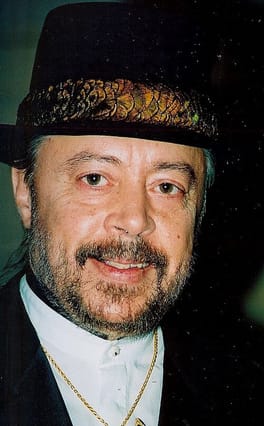
Photo: John Mathew Smith and celebrity-photos.com from Laurel, Maryland / CC BY-SA 2.0 (source: Wikimedia Commons)
Chuck Mangione was a conductor, trumpeter and jazz musician, born on November 29, 1940 in Rochester, New York, United States. Chuck Mangione was associated with Feels So Good.
My Take
Honestly, Chuck Mangione is one of those musicians who sneaked into mainstream pop culture so smoothly that millions of people know his sound without knowing his name — and that's kind of his superpower. Growing up in Rochester, New York, he cut his teeth playing with Art Blakey's Jazz Messengers in the '60s, which is about as serious a jazz credential as you can get, yet he never let that pedigree make him stiff or exclusive. When "Feels So Good" hit in 1978 and won the Grammy for Best Pop Instrumental, it proved you could make jazz that felt genuinely joyful without dumbing anything down. He swapped the trumpet for the flügelhorn and got this warm, buttery tone that just melts into your ears. Over 30 albums deep, Chuck Mangione is proof that accessibility and artistry aren't opposites — they can be the exact same thing.
This take was written by generative AI, one per person, from publicly reported facts (editorial policy). It is a reading of the record, not reporting.
1. Profile
- Name (English)
- Chuck Mangione
- Name (Japanese)
- チャック・マンジョーネ
- Reading
- ちゃっく・まんじょーね
- Born
- November 29, 1940
- Origin
- Rochester, New York, United States
- Occupation
- conductor / trumpeter / jazz musician / composer / recording artist
- Zodiac / Chinese zodiac
- Sagittarius / Dragon
2. Works & records
Filmography / notable works
| Category | Title |
|---|---|
| Notable work | Feels So Good |
3. Links
- Official sitehttps://www.chuckmangione.com/
- Wikipedia (English)https://en.wikipedia.org/wiki/Chuck%20Mangione
- Wikipedia (Japanese)https://ja.wikipedia.org/wiki/%E3%83%81%E3%83%A3%E3%83%83%E3%82%AF%E3%83%BB%E3%83%9E%E3%83%B3%E3%82%B8%E3%83%A7%E3%83%BC%E3%83%8D
- Wikidatahttps://www.wikidata.org/wiki/Q945778
4. About this entry
Tags
- Last updated
Facts are limited to publicly available information up to 2024; non-public or unconfirmed items are omitted. English text is machine-assisted (facts translated by Sonnet, "My Take" written by Opus 4.8). The Japanese page is the source of record.
Frequently asked questions
When was Chuck Mangione born?
Born November 29, 1940.
Where was Chuck Mangione from?
Chuck Mangione was from Rochester, New York, United States.
What did Chuck Mangione do?
Chuck Mangione worked as conductor, trumpeter, jazz musician, composer, recording artist.
What was Chuck Mangione known for?
Notable works include Feels So Good.
Conductor — see all → · Trumpeter — see all → · More people from the United States →