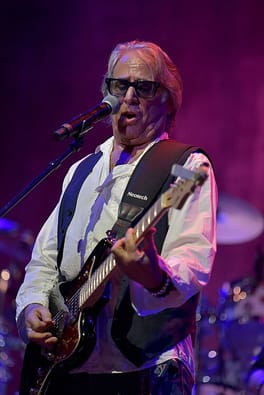
Photo: Toglenn / CC0 (source: Wikimedia Commons)
Danny Kortchmar is listed as a musician, guitarist and songwriter. Born on April 6, 1946, Danny Kortchmar is from New York City, New York, United States. That works out to 80 years old in 2026.
My Take
Kortchmar is the kind of musician I deeply respect precisely because he stayed in the background. Known as Danny Kootch, he was the guitarist and producer behind James Taylor, Carole King, Don Henley, Linda Ronstadt, and a remarkable list of others. When people talk about the warm, intimate sound of 1970s singer-songwriter records, they're often describing his fingerprints without knowing it. I find session players endlessly interesting because their genius is service, shaping someone else's vision until it shines. A New Yorker who became an architect of California soft rock, he's proof that the most influential figures aren't always the ones on the cover.
This take was written by generative AI, one per person, from publicly reported facts (editorial policy). It is a reading of the record, not reporting.
1. Profile
- Name (English)
- Danny Kortchmar
- Name (Japanese)
- ダニー・コーチマー
- Reading
- だにー・こーちまー
- Born
- April 6, 1946 (age 80)
- Origin
- New York City, New York, United States
- Occupation
- musician / guitarist / songwriter / record producer
- Zodiac / Chinese zodiac
- Aries / Dog
2. Links
- Official sitehttps://www.dannykortchmar.com/
- Wikipedia (English)https://en.wikipedia.org/wiki/Danny%20Kortchmar
- Wikipedia (Japanese)https://ja.wikipedia.org/wiki/%E3%83%80%E3%83%8B%E3%83%BC%E3%83%BB%E3%82%B3%E3%83%BC%E3%83%81%E3%83%9E%E3%83%BC
- Wikidatahttps://www.wikidata.org/wiki/Q1164670
3. About this entry
Tags
- Last updated
Facts are limited to publicly available information up to 2024; non-public or unconfirmed items are omitted. English text is machine-assisted (facts translated by Sonnet, "My Take" written by Opus 4.8). The Japanese page is the source of record.
Frequently asked questions
When was Danny Kortchmar born?
Danny Kortchmar was born on April 6, 1946 and is 80 years old.
Where is Danny Kortchmar from?
Danny Kortchmar is from New York City, New York, United States.
What does Danny Kortchmar do?
Danny Kortchmar works as musician, guitarist, songwriter, record producer.
Musician — see all → · Guitarist — see all → · More people from the United States → · More people born on April 6 →