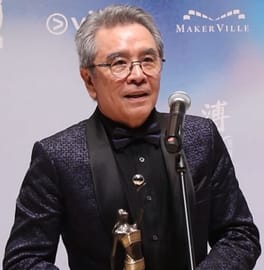
Photo: am730 / CC BY 3.0 (source: Wikimedia Commons)
Public records list David Chiang as a film director, film actor and television actor. David Chiang was born in Shanghai, People's Republic of China on June 29, 1947. That works out to 79 years old in 2026.
My Take
David Chiang is a name that lights up anyone who grew up on Shaw Brothers cinema. As one of the studio's signature martial-arts stars of the 1970s, he brought a slim, almost melancholy intensity that set him apart from the brawnier heroes of the era. More than 130 films and 30 television series is a staggering body of work, and the fact that he moved into directing and producing shows real longevity rather than a fleeting moment of fame. Born in Shanghai in 1947 and forever tied to Hong Kong, he's a living bridge to a golden age. I'd put his collaborations among the genre's essential viewing.
This take was written by generative AI, one per person, from publicly reported facts (editorial policy). It is a reading of the record, not reporting.
1. Profile
- Name (English)
- David Chiang
- Name (Japanese)
- 姜大衛
- Reading
- ちゃん・だーうぇい
- Born
- June 29, 1947 (age 79)
- Origin
- Shanghai, People's Republic of China
- Occupation
- film director / film actor / television actor / actor
- Zodiac / Chinese zodiac
- Cancer / Boar
2. Links
- Wikipedia (English)https://en.wikipedia.org/wiki/David%20Chiang
- Wikipedia (Japanese)https://ja.wikipedia.org/wiki/%E5%A7%9C%E5%A4%A7%E8%A1%9B
- Wikidatahttps://www.wikidata.org/wiki/Q704140
3. About this entry
Tags
- Last updated
Facts are limited to publicly available information up to 2024; non-public or unconfirmed items are omitted. English text is machine-assisted (facts translated by Sonnet, "My Take" written by Opus 4.8). The Japanese page is the source of record.
Frequently asked questions
When was David Chiang born?
David Chiang was born on June 29, 1947 and is 79 years old.
Where is David Chiang from?
David Chiang is from Shanghai, People's Republic of China.
What does David Chiang do?
David Chiang works as film director, film actor, television actor, actor.
Film director — see all → · Film actor — see all → · More people from the People's Republic of China → · More people born on June 29 →