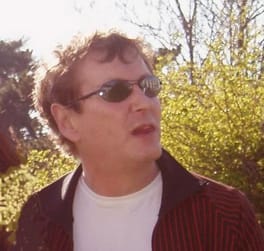
Photo: David O'List / CC BY-SA 4.0 (source: Wikimedia Commons)
Public records list David O'List as a musician, guitarist and songwriter. Born on December 13, 1948, David O'List is from London, United Kingdom. The age as of 2026 is 77.
My Take
David O'List is the eternal almost-legend, and that is precisely why I find him fascinating. He played in The Attack and The Nice, sat in Roxy Music before Phil Manzanera took the chair, and even deputised in Jethro Tull and Pink Floyd. Born in 1948 in London, he was right at the heart of British psychedelia, yet always seemed to stand half a step outside stardom. I have a soft spot for craftsmen like him, the players who were unmistakably there in rooms where history was made. His career is a glorious footnote that deserves to be read aloud.
This take was written by generative AI, one per person, from publicly reported facts (editorial policy). It is a reading of the record, not reporting.
1. Profile
- Name (English)
- David O'List
- Name (Japanese)
- デヴィッド・オリスト
- Reading
- でゔぃっど・おりすと
- Born
- December 13, 1948 (age 77)
- Origin
- London, United Kingdom
- Occupation
- musician / guitarist / songwriter
- Zodiac / Chinese zodiac
- Sagittarius / Rat
2. Links
- Official sitehttps://davyolist.wordpress.com
- Wikipedia (English)https://en.wikipedia.org/wiki/David%20O'List
- Wikipedia (Japanese)https://ja.wikipedia.org/wiki/%E3%83%87%E3%83%B4%E3%82%A3%E3%83%83%E3%83%89%E3%83%BB%E3%82%AA%E3%83%AA%E3%82%B9%E3%83%88
- Wikidatahttps://www.wikidata.org/wiki/Q4355847
3. About this entry
Tags
- Last updated
Facts are limited to publicly available information up to 2024; non-public or unconfirmed items are omitted. English text is machine-assisted (facts translated by Sonnet, "My Take" written by Opus 4.8). The Japanese page is the source of record.
Frequently asked questions
When was David O'List born?
Born December 13, 1948 (age 77).
Where is David O'List from?
David O'List is from London, United Kingdom.
What does David O'List do?
David O'List works as musician, guitarist, songwriter.
Musician — see all → · Guitarist — see all → · More people from the United Kingdom →