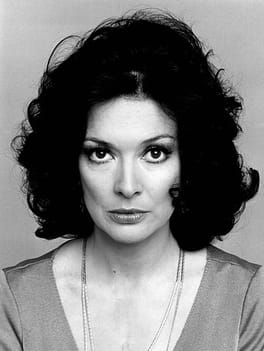
Photo: CBS Television / Public domain (source: Wikimedia Commons)
Dixie Carter was a singer, stage actor and television actor. Dixie Carter was born on May 25, 1939 in McLemoresville, Tennessee, United States. Death is recorded on April 10, 2010, at the age of 70. Education on record includes University of Tennessee. Recorded honors include Theatre World Award (1976).
My Take
Dixie Carter, to me, is the rare actress who grew more compelling with age. From McLemoresville, Tennessee, to the stage, screen, and her unforgettable turn as Julia Sugarbaker on Designing Women, she carried a blend of Southern poise and sharp wit that felt effortless but was clearly earned. Her late Emmy nomination for Desperate Housewives only underscored how she stayed vital right to the end. I value performers who treat dignity and presence as a craft rather than a given, and Carter embodied exactly that until her passing in 2010.
This take was written by generative AI, one per person, from publicly reported facts (editorial policy). It is a reading of the record, not reporting.
1. Profile
- Name (English)
- Dixie Carter
- Name (Japanese)
- ディキシー・カーター
- Reading
- でぃきしー・かーたー
- Born
- May 25, 1939 – April 10, 2010
- Origin
- McLemoresville, Tennessee, United States
- Occupation
- actor / singer / stage actor / television actor / film actor
- Zodiac / Chinese zodiac
- Gemini / Rabbit
2. Background
- University
- University of Tennessee
Awards & achievements
- 1976 Theatre World Award
3. Links
- Official sitehttps://www.dixiecarter.com
- Wikipedia (English)https://en.wikipedia.org/wiki/Dixie%20Carter
- Wikipedia (Japanese)https://ja.wikipedia.org/wiki/%E3%83%87%E3%82%A3%E3%82%AD%E3%82%B7%E3%83%BC%E3%83%BB%E3%82%AB%E3%83%BC%E3%82%BF%E3%83%BC
- Wikidatahttps://www.wikidata.org/wiki/Q240360
4. About this entry
Tags
- Last updated
Facts are limited to publicly available information up to 2024; non-public or unconfirmed items are omitted. English text is machine-assisted (facts translated by Sonnet, "My Take" written by Opus 4.8). The Japanese page is the source of record.
Frequently asked questions
When was Dixie Carter born?
Dixie Carter was born on May 25, 1939.
When did Dixie Carter die?
Dixie Carter died on April 10, 2010, aged 70.
Where was Dixie Carter from?
Dixie Carter was from McLemoresville, Tennessee, United States.
What did Dixie Carter do?
Dixie Carter worked as actor, singer, stage actor, television actor, film actor.
Where did Dixie Carter study?
Dixie Carter attended University of Tennessee.
Actor — see all → · Singer — see all → · More people from the United States → · More people born on May 25 →