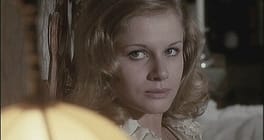
Photo: Vittorio De Sica / Public domain (source: Wikimedia Commons)
Dominique Sanda was born in 12th arrondissement of Paris, France on March 11, 1951. Dominique Sanda is a film actor. The age as of 2026 is 75. Recorded honors include Knight of the Legion of Honour (2003), Knight of the National Order of Merit, Officer of Arts and Letters and 2 more.
My Take
Dominique Sanda is, for me, the embodiment of European cinematic gravity. A Best Actress prize at Cannes in 1976, the Legion of Honour, and a Commandeur des Arts et des Lettres are not decorations a country hands out lightly. What fascinates me is her ability to hold a frame through stillness—cool intelligence and quiet sensuality at once. It is no surprise the great auteurs sought her out. I am drawn to performers whose presence comes from within rather than from noise, and Sanda is a definitive example of that rare, interior kind of stardom.
This take was written by generative AI, one per person, from publicly reported facts (editorial policy). It is a reading of the record, not reporting.
1. Profile
- Name (English)
- Dominique Sanda
- Name (Japanese)
- ドミニク・サンダ
- Reading
- どみにく・さんだ
- Born
- March 11, 1951 (age 75)
- Origin
- 12th arrondissement of Paris, France
- Occupation
- film actor
- Zodiac / Chinese zodiac
- Pisces / Rabbit
2. Background
Awards & achievements
- 2003 Knight of the Legion of Honour
- Knight of the National Order of Merit
- Officer of Arts and Letters
- 2013 Commandeur des Arts et des Lettres
- 1976 Cannes Film Festival Award for Best Actress
3. Links
- Official sitehttps://dominiquesanda.com
- Wikipedia (English)https://en.wikipedia.org/wiki/Dominique%20Sanda
- Wikipedia (Japanese)https://ja.wikipedia.org/wiki/%E3%83%89%E3%83%9F%E3%83%8B%E3%82%AF%E3%83%BB%E3%82%B5%E3%83%B3%E3%83%80
- Wikidatahttps://www.wikidata.org/wiki/Q179152
4. About this entry
Tags
- Last updated
Facts are limited to publicly available information up to 2024; non-public or unconfirmed items are omitted. English text is machine-assisted (facts translated by Sonnet, "My Take" written by Opus 4.8). The Japanese page is the source of record.
Frequently asked questions
When was Dominique Sanda born?
Dominique Sanda was born on March 11, 1951 and is 75 years old.
Where is Dominique Sanda from?
Dominique Sanda is from 12th arrondissement of Paris, France.
What does Dominique Sanda do?
Dominique Sanda works as film actor.
Film actor — see all → · More people from France → · More people born on March 11 →