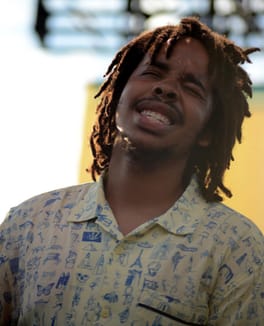
Photo: Frank Morales / CC BY-SA 4.0 (source: Wikimedia Commons)
Earl Sweatshirt is credited as a rapper, record producer and singer. Earl Sweatshirt was born in Chicago, Illinois, United States on February 24, 1994. The age as of 2026 is 32.
My Take
Earl Sweatshirt is one of those rappers I respect more the longer I listen. He arrived as a teenager through Tyler, the Creator's Odd Future collective, but to me his real story is how far he traveled from that chaotic origin. The son of South African poet Keorapetse Kgositsile, he writes dense, introspective verses that reward patience over hype. Born Thebe Neruda Kgositsile in 1994, he's expanded from rapper into producer, singer and songwriter. I like artists who refuse to coast on early notoriety, and his evolution toward murky, lo-fi soundscapes feels like genuine creative searching rather than reinvention for its own sake.
This take was written by generative AI, one per person, from publicly reported facts (editorial policy). It is a reading of the record, not reporting.
1. Profile
- Name (English)
- Earl Sweatshirt
- Name (Japanese)
- アール・スウェットシャツ
- Reading
- あーる・すうぇっとしゃつ
- Born
- February 24, 1994 (age 32)
- Origin
- Chicago, Illinois, United States
- Occupation
- rapper / record producer / singer / songwriter / actor
- Zodiac / Chinese zodiac
- Pisces / Dog
2. Links
- Official sitehttps://www.earlsweatshirt.com/
- Instagramhttps://www.instagram.com/soapmanwun/
- Xhttps://x.com/earlxsweat
- Wikipedia (English)https://en.wikipedia.org/wiki/Earl%20Sweatshirt
- Wikipedia (Japanese)https://ja.wikipedia.org/wiki/%E3%82%A2%E3%83%BC%E3%83%AB%E3%83%BB%E3%82%B9%E3%82%A6%E3%82%A7%E3%83%83%E3%83%88%E3%82%B7%E3%83%A3%E3%83%84
- Wikidatahttps://www.wikidata.org/wiki/Q1033188
3. About this entry
Tags
- Last updated
Facts are limited to publicly available information up to 2024; non-public or unconfirmed items are omitted. English text is machine-assisted (facts translated by Sonnet, "My Take" written by Opus 4.8). The Japanese page is the source of record.
Frequently asked questions
When was Earl Sweatshirt born?
Earl Sweatshirt was born on February 24, 1994 and is 32 years old.
Where is Earl Sweatshirt from?
Earl Sweatshirt is from Chicago, Illinois, United States.
What does Earl Sweatshirt do?
Earl Sweatshirt works as rapper, record producer, singer, songwriter, actor.
Rapper — see all → · Record producer — see all → · More people from the United States → · More people born on February 24 →