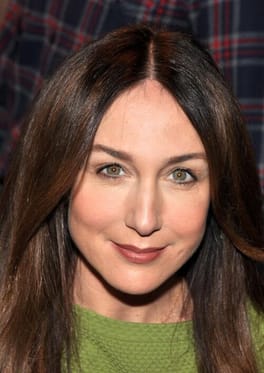
Photo: Georges Biard / CC BY-SA 3.0 (source: Wikimedia Commons)
Elsa Zylberstein was born on October 16, 1968 in Boulogne-Billancourt, Seine, France. Elsa Zylberstein is credited as a stage actor, film actor and audiobook narrator. The age as of 2026 is 57. Recorded honors include Prix Romy Schneider (1993), Chlotrudis Award for Best Supporting Actress (2009), César Award for Best Supporting Actress (2009) and 1 more. The listed height is 167 cm.
My Take
What draws me to Elsa Zylberstein is how she lets the work, not the headlines, do the talking. A Boulogne-Billancourt native with stage-trained discipline, she has logged more than sixty films since 1989 and still feels underexposed outside France, which I think is a shame. The Prix Romy Schneider early on and the César for I've Loved You So Long confirm she is a serious actor's actor, not a tabloid figure. I also love that she narrates audiobooks; it signals a real reverence for voice and text. She is the kind of quiet, durable craftsperson I want to keep watching for years.
This take was written by generative AI, one per person, from publicly reported facts (editorial policy). It is a reading of the record, not reporting.
1. Profile
- Name (English)
- Elsa Zylberstein
- Name (Japanese)
- エルザ・ジルベルスタイン
- Reading
- えるざ・じるべるすたいん
- Born
- October 16, 1968 (age 57)
- Origin
- Boulogne-Billancourt, Seine, France
- Height
- 167 cm
- Occupation
- stage actor / film actor / audiobook narrator / actor
- Zodiac / Chinese zodiac
- Libra / Monkey
2. Background
Awards & achievements
- 1993 Prix Romy Schneider
- 2009 Chlotrudis Award for Best Supporting Actress
- 2009 César Award for Best Supporting Actress
- 1992 Prix Michel Simon
3. Links
- Official sitehttp://www.elsa-zylberstein.com
- Instagramhttps://www.instagram.com/elsa_zylberstein/
- Wikipedia (English)https://en.wikipedia.org/wiki/Elsa%20Zylberstein
- Wikipedia (Japanese)https://ja.wikipedia.org/wiki/%E3%82%A8%E3%83%AB%E3%82%B6%E3%83%BB%E3%82%B8%E3%83%AB%E3%83%99%E3%83%AB%E3%82%B9%E3%82%BF%E3%82%A4%E3%83%B3
- Wikidatahttps://www.wikidata.org/wiki/Q460201
4. About this entry
Tags
- Last updated
Facts are limited to publicly available information up to 2024; non-public or unconfirmed items are omitted. English text is machine-assisted (facts translated by Sonnet, "My Take" written by Opus 4.8). The Japanese page is the source of record.
Frequently asked questions
When was Elsa Zylberstein born?
Born October 16, 1968 (age 57).
Where is Elsa Zylberstein from?
Elsa Zylberstein is from Boulogne-Billancourt, Seine, France.
What does Elsa Zylberstein do?
Elsa Zylberstein works as stage actor, film actor, audiobook narrator, actor.
How tall is Elsa Zylberstein?
Elsa Zylberstein is 167 cm.
Stage actor — see all → · Film actor — see all → · More people from France →