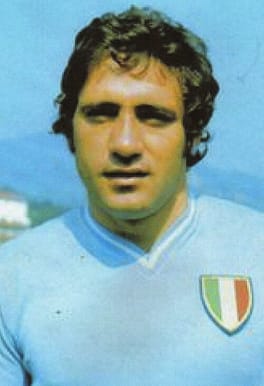
Photo: Originally uploaded by Gaspo87 (Transferred by Raoli) / Public domain (source: Wikimedia Commons)
Giorgio Chinaglia was born in Carrara, Province of Massa-Carrara, Italy on January 24, 1947. Public records list Giorgio Chinaglia as an association football player and manager. Death is recorded on April 1, 2012, at the age of 65. The listed height was 186 cm.
My Take
Giorgio Chinaglia fascinates me less for the goals than for the geography of his career. Born in Carrara but raised playing football in Cardiff, starting out at Swansea before returning to make his name at Lazio and later crossing to America, he was a striker who refused to stay put. I admire that hunger to carve out a place anywhere the game took him, claiming his territory one goal at a time. He passed in 2012, but the predatory instinct he showed in front of net still gets talked about. To a border-crossing finisher like that, I'd gladly raise a respectful glass.
This take was written by generative AI, one per person, from publicly reported facts (editorial policy). It is a reading of the record, not reporting.
1. Profile
- Name (English)
- Giorgio Chinaglia
- Name (Japanese)
- ジョルジョ・キナーリャ
- Reading
- じょるじょ・きなーりゃ
- Born
- January 24, 1947 – April 1, 2012
- Origin
- Carrara, Province of Massa-Carrara, Italy
- Height
- 186 cm
- Occupation
- association football player / manager
- Zodiac / Chinese zodiac
- Aquarius / Boar
2. Links
3. About this entry
Tags
- Last updated
Facts are limited to publicly available information up to 2024; non-public or unconfirmed items are omitted. English text is machine-assisted (facts translated by Sonnet, "My Take" written by Opus 4.8). The Japanese page is the source of record.
Frequently asked questions
When was Giorgio Chinaglia born?
Born January 24, 1947.
When did Giorgio Chinaglia die?
Died April 1, 2012, aged 65.
Where was Giorgio Chinaglia from?
Giorgio Chinaglia was from Carrara, Province of Massa-Carrara, Italy.
What did Giorgio Chinaglia do?
Giorgio Chinaglia worked as association football player, manager.
How tall was Giorgio Chinaglia?
Giorgio Chinaglia was 186 cm.
Association football player — see all → · Manager — see all → · More people from Italy →