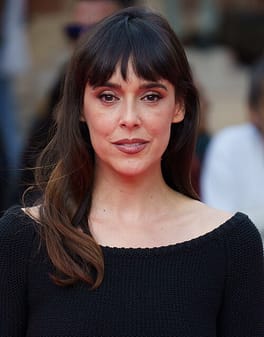
Photo: Pedro J Pacheco / CC BY-SA 4.0 (source: Wikimedia Commons)
Belén Cuesta, born on January 24, 1984 in Seville, Seville Province, Spain, is an actor. That puts Belén Cuesta at 42 years old in 2026. Recorded honors include Goya Award for Best Actress (2020) and Premio Feroz for Best Supporting Actress (2018).
My Take
Belén Cuesta is the kind of actor whose range I genuinely admire. She broke through as Magüi in the comedy Paquita Salas, then turned around and won the 2020 Goya Award for Best Actress for the wartime drama The Endless Trench, with a Premio Feroz already on the shelf. Earning a comedy fanbase and then claiming Spain's top dramatic prize is a difficult, telling move, it means the instrument is real, not just charming. Coming out of Seville with a distinct presence all her own, she strikes me as a performer still climbing, and I'll happily keep following wherever her work goes next.
This take was written by generative AI, one per person, from publicly reported facts (editorial policy). It is a reading of the record, not reporting.
1. Profile
- Name (English)
- Belén Cuesta
- Name (Japanese)
- ベレン・クエスタ
- Reading
- べれん・くえすた
- Born
- January 24, 1984 (age 42)
- Origin
- Seville, Seville Province, Spain
- Occupation
- actor
- Zodiac / Chinese zodiac
- Aquarius / Rat
2. Background
Awards & achievements
- 2020 Goya Award for Best Actress
- 2018 Premio Feroz for Best Supporting Actress
3. Links
- Instagramhttps://www.instagram.com/belen_cue/
- Xhttps://x.com/belencue
- Wikipedia (English)https://en.wikipedia.org/wiki/Bel%C3%A9n%20Cuesta
- Wikipedia (Japanese)https://ja.wikipedia.org/wiki/%E3%83%99%E3%83%AC%E3%83%B3%E3%83%BB%E3%82%AF%E3%82%A8%E3%82%B9%E3%82%BF
- Wikidatahttps://www.wikidata.org/wiki/Q5725385
4. About this entry
Tags
- Last updated
Facts are limited to publicly available information up to 2024; non-public or unconfirmed items are omitted. English text is machine-assisted (facts translated by Sonnet, "My Take" written by Opus 4.8). The Japanese page is the source of record.
Frequently asked questions
When was Belén Cuesta born?
Born January 24, 1984 (age 42).
Where is Belén Cuesta from?
Belén Cuesta is from Seville, Seville Province, Spain.
What does Belén Cuesta do?
Belén Cuesta works as actor.