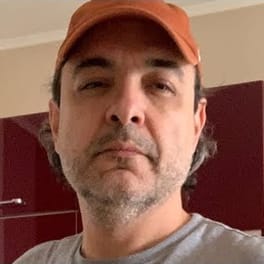
Photo: Gonzalo Lira / CC BY-SA 4.0 (source: Wikimedia Commons)
Gonzalo Lira was listed as a vlogger, essayist and political pundit. Gonzalo Lira was born on February 29, 1968 in Burbank, California, United States. Death is recorded on January 12, 2024, at the age of 55. Schooling on record includes Dartmouth College.
My Take
Gonzalo Lira is a figure I approach with caution and curiosity. A Dartmouth-educated Chilean-American who was once called the highest-paid Chilean novelist, he reinvented himself endlessly as a filmmaker, dating coach, and political commentator before his death in Ukraine in January 2024. I do not endorse much of his commentary, and his life invites real controversy, but the sheer range of his reinventions fascinates me. He was a man who chased his convictions straight into the world's most dangerous places. Whatever one makes of his views, his story is a heavy reminder of how far a restless intellect can take a person, for better and worse.
This take was written by generative AI, one per person, from publicly reported facts (editorial policy). It is a reading of the record, not reporting.
1. Profile
- Name (English)
- Gonzalo Lira
- Name (Japanese)
- ゴンザーロ・リラ
- Reading
- ごんざーろ・りら
- Born
- February 29, 1968 – January 12, 2024
- Origin
- Burbank, California, United States
- Occupation
- vlogger / essayist / political pundit / novelist / film director
- Zodiac / Chinese zodiac
- Pisces / Monkey
2. Background
- University
- Dartmouth College
3. Links
- Instagramhttps://www.instagram.com/realgonzalolira/
- Xhttps://x.com/realGonzaloLira
- Wikipedia (English)https://en.wikipedia.org/wiki/Gonzalo%20Lira
- Wikipedia (Japanese)https://ja.wikipedia.org/wiki/%E3%82%B4%E3%83%B3%E3%82%B6%E3%83%BC%E3%83%AD%E3%83%BB%E3%83%AA%E3%83%A9
- Wikidatahttps://www.wikidata.org/wiki/Q615045
4. About this entry
Tags
- Last updated
Facts are limited to publicly available information up to 2024; non-public or unconfirmed items are omitted. English text is machine-assisted (facts translated by Sonnet, "My Take" written by Opus 4.8). The Japanese page is the source of record.
Frequently asked questions
When was Gonzalo Lira born?
Born February 29, 1968.
When did Gonzalo Lira die?
Died January 12, 2024, aged 55.
Where was Gonzalo Lira from?
Gonzalo Lira was from Burbank, California, United States.
What did Gonzalo Lira do?
Gonzalo Lira worked as vlogger, essayist, political pundit, novelist, film director.
Vlogger — see all → · Essayist — see all → · More people from the United States →