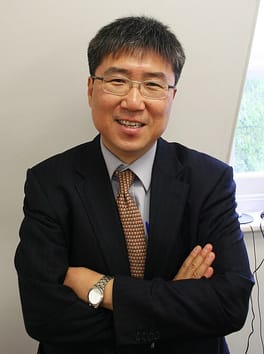
Photo: Discott / CC BY-SA 3.0 (source: Wikimedia Commons)
Born on October 7, 1963 in Seoul, South Korea, Ha-Joon Chang is an economist. That puts Ha-Joon Chang at 62 years old in 2026. Education on record includes University of Cambridge. Listed accolades include Leontief Prize for Advancing the Frontiers of Economic Thought (2005) and Gunnar Myrdal Prize.
My Take
Ha-Joon Chang is, to me, the rare economist who writes like he genuinely wants ordinary people to understand power. Seoul-born and a Cambridge fixture for three decades before moving to SOAS, he turned institutional and development economics into something readable, even combative, puncturing free-market orthodoxy with real-world evidence. The Leontief and Gunnar Myrdal prizes confirm his standing, but what I value is his refusal to hide behind jargon. He insists economics is about how people actually live, and that conviction makes his work feel less like a lecture and more like an honest argument worth having.
This take was written by generative AI, one per person, from publicly reported facts (editorial policy). It is a reading of the record, not reporting.
1. Profile
- Name (English)
- Ha-Joon Chang
- Name (Japanese)
- ハ・ヨンジュン・チャン
- Reading
- は・よんじゅん・ちゃん
- Born
- October 7, 1963 (age 62)
- Origin
- Seoul, South Korea
- Occupation
- economist
- Zodiac / Chinese zodiac
- Libra / Rabbit
2. Background
- University
- University of Cambridge
Awards & achievements
- 2005 Leontief Prize for Advancing the Frontiers of Economic Thought
- Gunnar Myrdal Prize
3. Links
- Official sitehttps://hajoonchang.net/
- Wikipedia (English)https://en.wikipedia.org/wiki/Ha-Joon%20Chang
- Wikipedia (Japanese)https://ja.wikipedia.org/wiki/%E3%83%8F%E3%82%B8%E3%83%A5%E3%83%B3%E3%83%BB%E3%83%81%E3%83%A3%E3%83%B3
- Wikidatahttps://www.wikidata.org/wiki/Q32729
4. About this entry
Tags
- Last updated
Facts are limited to publicly available information up to 2024; non-public or unconfirmed items are omitted. English text is machine-assisted (facts translated by Sonnet, "My Take" written by Opus 4.8). The Japanese page is the source of record.
Frequently asked questions
When was Ha-Joon Chang born?
Born October 7, 1963 (age 62).
Where is Ha-Joon Chang from?
Ha-Joon Chang is from Seoul, South Korea.
What does Ha-Joon Chang do?
Ha-Joon Chang works as economist.