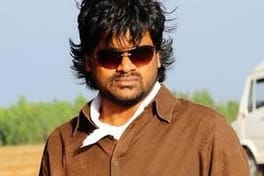
Photo: Kasturiabap / CC BY-SA 3.0 (source: Wikimedia Commons)
Harish Shankar is a film director and screenwriter, born on March 31, 1979 in Dharmapuri, Telangana, India. As of 2026, Harish Shankar is 47 years old. Education on record includes Osmania University.
My Take
Harish Shankar fascinates me precisely because he stayed put. In an era where filmmakers chase global crossover, he committed fully to Telugu cinema and theater, debuting with Shock in 2006 and breaking through with Gabbar Singh, which earned him Best Director honors. An Osmania University graduate, he speaks the visual language his home audience loves best. I admire artists who measure success by how loudly their own people cheer rather than how far their name travels. That grounded, crowd-pleasing craftsmanship feels increasingly rare, and to me it makes Shankar a director genuinely worth watching.
This take was written by generative AI, one per person, from publicly reported facts (editorial policy). It is a reading of the record, not reporting.
1. Profile
- Name (English)
- Harish Shankar
- Name (Japanese)
- ハリシュ・シャンカール
- Reading
- はりしゅ・しゃんかーる
- Born
- March 31, 1979 (age 47)
- Origin
- Dharmapuri, Telangana, India
- Occupation
- film director / screenwriter
- Zodiac / Chinese zodiac
- Aries / Goat
2. Background
- University
- Osmania University
3. Links
4. About this entry
Tags
- Last updated
Facts are limited to publicly available information up to 2024; non-public or unconfirmed items are omitted. English text is machine-assisted (facts translated by Sonnet, "My Take" written by Opus 4.8). The Japanese page is the source of record.
Frequently asked questions
When was Harish Shankar born?
Harish Shankar was born on March 31, 1979 and is 47 years old.
Where is Harish Shankar from?
Harish Shankar is from Dharmapuri, Telangana, India.
What does Harish Shankar do?
Harish Shankar works as film director, screenwriter.
Where did Harish Shankar study?
Harish Shankar attended Osmania University.
Film director — see all → · Screenwriter — see all → · More people from India → · More people born on March 31 →