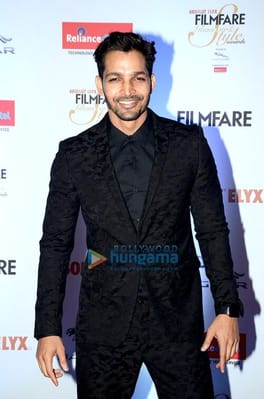
Photo: Bollywood Hungama / CC BY 3.0 (source: Wikimedia Commons)
Born on December 16, 1983, Harshvardhan Rane is from Rajahmundry, East Godavari district, India. Harshvardhan Rane is an actor. The age as of 2026 is 42.
My Take
Harshvardhan Rane reads to me as a grinder rather than an overnight star, and that's why I'm rooting for him. He started with a small television stint before breaking into Telugu cinema with Thakita Thakita, then crossed into Hindi films with Sanam Teri Kasam, which earned him a Superstar of Tomorrow nomination. Working across two film industries takes real persistence in a market as crowded as India's, where talent easily gets buried. I have a soft spot for performers who climb slowly and build their footing the hard way. Rane feels like someone still ascending, and that upward trajectory is the most interesting thing about him.
This take was written by generative AI, one per person, from publicly reported facts (editorial policy). It is a reading of the record, not reporting.
1. Profile
- Name (English)
- Harshvardhan Rane
- Name (Japanese)
- ハーシュバーダン・レイン
- Reading
- はーしゅばーだん・れいん
- Born
- December 16, 1983 (age 42)
- Origin
- Rajahmundry, East Godavari district, India
- Occupation
- actor
- Zodiac / Chinese zodiac
- Sagittarius / Boar
2. Links
- Instagramhttps://www.instagram.com/harshvardhanrane/
- Wikipedia (English)https://en.wikipedia.org/wiki/Harshvardhan%20Rane
- Wikidatahttps://www.wikidata.org/wiki/Q16887684
3. About this entry
Tags
- Last updated
Facts are limited to publicly available information up to 2024; non-public or unconfirmed items are omitted. English text is machine-assisted (facts translated by Sonnet, "My Take" written by Opus 4.8). The Japanese page is the source of record.
Frequently asked questions
When was Harshvardhan Rane born?
Harshvardhan Rane was born on December 16, 1983 and is 42 years old.
Where is Harshvardhan Rane from?
Harshvardhan Rane is from Rajahmundry, East Godavari district, India.
What does Harshvardhan Rane do?
Harshvardhan Rane works as actor.
Actor — see all → · More people from India → · More people born on December 16 →