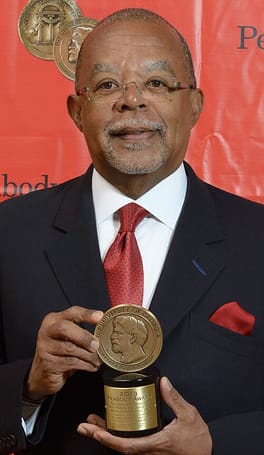
Photo: Peabody Awards / CC BY 2.0 (source: Wikimedia Commons)
Public records list Henry Louis Gates, Jr. as a writer, essayist and literary critic. Born on September 16, 1950, Henry Louis Gates, Jr. is from Keyser, West Virginia, United States. The age as of 2026 is 76. Schooling on record includes Potomac State College of West Virginia University. Awards on record include National Humanities Medal (1998), MacArthur Fellows Program (1981), Anisfield-Wolf Book Awards (1989) and 4 more.
My Take
What grabs me about Henry Louis Gates Jr. is the sheer arc: a kid from tiny Keyser, West Virginia who reshaped how American universities think about African and African American studies. The Signifying Monkey rewired literary theory, and the MacArthur and National Humanities Medal confirm the heft. But I'm most drawn to his second act as a genealogist, tracing people back through DNA and dusty records to give them their stories. He treats heritage as something worth excavating with rigor and tenderness, not nostalgia. To me he's less a critic than an archivist of lost lineages, and that mission gives his scholarship real moral weight.
This take was written by generative AI, one per person, from publicly reported facts (editorial policy). It is a reading of the record, not reporting.
1. Profile
- Name (English)
- Henry Louis Gates, Jr.
- Name (Japanese)
- ヘンリー・ルイス・ゲイツ・ジュニア
- Reading
- へんりー・るいす・げいつ・じゅにあ
- Born
- September 16, 1950 (age 76)
- Origin
- Keyser, West Virginia, United States
- Occupation
- writer / essayist / literary critic / genealogist / university teacher
- Zodiac / Chinese zodiac
- Virgo / Tiger
2. Background
- University
- Potomac State College of West Virginia University
Awards & achievements
- 1998 National Humanities Medal
- 1981 MacArthur Fellows Program
- 1989 Anisfield-Wolf Book Awards
- 1989 American Book Awards
- 1992 George Polk Award
- 1994 Lillian Smith Book Award
- 2002 Jefferson Lecture
3. Works & records
Filmography / notable works
| Category | Title |
|---|---|
| Notable work | The Signifying Monkey |
4. Links
- Xhttps://x.com/HenryLouisGates
- Wikipedia (English)https://en.wikipedia.org/wiki/Henry%20Louis%20Gates%20Jr.
- Wikipedia (Japanese)https://ja.wikipedia.org/wiki/%E3%83%98%E3%83%B3%E3%83%AA%E3%83%BC%E3%83%BB%E3%83%AB%E3%82%A4%E3%82%B9%E3%83%BB%E3%82%B2%E3%82%A4%E3%83%84%E3%83%BB%E3%82%B8%E3%83%A5%E3%83%8B%E3%82%A2
- Wikidatahttps://www.wikidata.org/wiki/Q561458
5. About this entry
Tags
- Last updated
Facts are limited to publicly available information up to 2024; non-public or unconfirmed items are omitted. English text is machine-assisted (facts translated by Sonnet, "My Take" written by Opus 4.8). The Japanese page is the source of record.
Frequently asked questions
When was Henry Louis Gates, Jr. born?
Born September 16, 1950 (age 76).
Where is Henry Louis Gates, Jr. from?
Henry Louis Gates, Jr. is from Keyser, West Virginia, United States.
What does Henry Louis Gates, Jr. do?
Henry Louis Gates, Jr. works as writer, essayist, literary critic, genealogist, university teacher.
What is Henry Louis Gates, Jr. known for?
Notable works include The Signifying Monkey.
Writer — see all → · Essayist — see all → · More people from the United States →