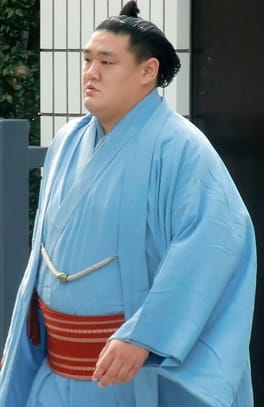
Photo: FourTildes / CC BY-SA 3.0 (source: Wikimedia Commons)
My Take
Hōchiyama Kōkan — even just saying the name out loud feels like it carries some weight, which seems fitting for a sumo wrestler from Aomori. Growing up in that corner of northern Japan, where the winters are brutal and the culture runs deep, probably shapes a person in ways you can't fake. Detailed career records on Hōchiyama aren't splashed everywhere, and honestly that quiet, under-the-radar quality is kind of the whole thing — the guys who just keep showing up to the dohyo without fanfare are the ones I find quietly fascinating.
This take was written by generative AI, one per person, from publicly reported facts (editorial policy). It is a reading of the record, not reporting.
Overview
Hōchiyama Kōkan is a Japanese sumo wrestler born on January 18, 1982, in Aomori City, Aomori Prefecture. He competes as a rikishi and is associated with the professional sumo world in Japan. Detailed career records and personal information are not publicly disclosed.
1. Profile
- Name (English)
- Hōchiyama Kōkan
- Name (Japanese)
- 寶智山幸勘
- Reading
- ほうちやま こうかん
- Born
- January 18, 1982 (age 44)
- Origin
- Aomori City, Aomori Prefecture, Japan
- Occupation
- Sumo wrestler (rikishi)
- Zodiac / Chinese zodiac
- Capricorn / Dog
2. Links
3. About this entry
Tags
- Last updated
Facts are limited to publicly available information up to 2024; non-public or unconfirmed items are omitted. English text is machine-assisted (facts translated by Sonnet, "My Take" written by Opus 4.8). The Japanese page is the source of record.
Frequently asked questions
When was Hōchiyama Kōkan born?
Born January 18, 1982 (age 44).
Where is Hōchiyama Kōkan from?
Hōchiyama Kōkan is from Aomori City, Aomori Prefecture, Japan.
What does Hōchiyama Kōkan do?
Hōchiyama Kōkan works as Sumo wrestler (rikishi).