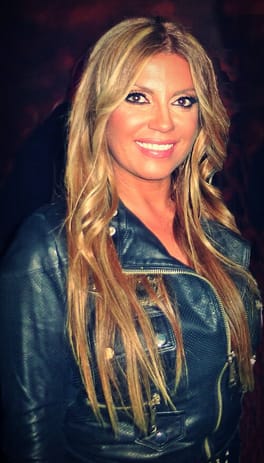
Photo: sr:User:Boleyn / CC BY-SA 3.0 (source: Wikimedia Commons)
Public records list Indira Radić as a singer. Born on June 14, 1966, Indira Radić is from Doboj, Bosnia and Herzegovina. The age as of 2026 is 60.
My Take
Radić is the artist on this list I most want to actually sit down and listen to. A pop-folk singer born in Doboj, she made her name across the former Yugoslavia and Bulgaria, and what strikes me is her refusal to chase international markets by singing in English. Sixteen albums between 1992 and 2015, blending pop, dance and traditional folk, all rooted in her own language during a turbulent era in the Balkans. There is a fierce regional authenticity there that I find compelling. Music carried by that much local soul tends to cross borders anyway, language barrier or not, and I trust her voice does exactly that.
This take was written by generative AI, one per person, from publicly reported facts (editorial policy). It is a reading of the record, not reporting.
1. Profile
- Name (English)
- Indira Radić
- Name (Japanese)
- インディラ・ラディッチ
- Reading
- いんでぃら・らでぃっち
- Born
- June 14, 1966 (age 60)
- Origin
- Doboj, Bosnia and Herzegovina
- Occupation
- singer
- Zodiac / Chinese zodiac
- Gemini / Horse
2. Links
- Official sitehttps://www.indira.rs/
- Wikipedia (English)https://en.wikipedia.org/wiki/Indira%20Radi%C4%87
- Wikipedia (Japanese)https://ja.wikipedia.org/wiki/%E3%82%A4%E3%83%B3%E3%83%87%E3%82%A3%E3%83%A9%E3%83%BB%E3%83%A9%E3%83%87%E3%82%A3%E3%83%83%E3%83%81
- Wikidatahttps://www.wikidata.org/wiki/Q267822
3. About this entry
Tags
- Last updated
Facts are limited to publicly available information up to 2024; non-public or unconfirmed items are omitted. English text is machine-assisted (facts translated by Sonnet, "My Take" written by Opus 4.8). The Japanese page is the source of record.
Frequently asked questions
When was Indira Radić born?
Born June 14, 1966 (age 60).
Where is Indira Radić from?
Indira Radić is from Doboj, Bosnia and Herzegovina.
What does Indira Radić do?
Indira Radić works as singer.
Singer — see all → · More people from Bosnia and Herzegovina →