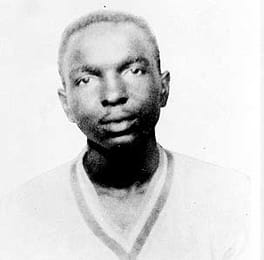
Photo: Unknown author / Public domain (source: Wikimedia Commons)
James Chaney was a civil rights advocate and plasterer, born on May 30, 1943 in Meridian, Mississippi, United States. James Chaney died on June 21, 1964, aged 21. Recorded honors include Presidential Medal of Freedom (2014).
My Take
James Chaney is not a name I can write about lightly. A young plasterer from Meridian, Mississippi, he was murdered by the Ku Klux Klan in 1964 at just twenty-one, alongside two fellow activists, for the simple act of helping Black citizens register to vote. The 2014 Presidential Medal of Freedom, awarded half a century after his death, affirms that his sacrifice was never forgotten. What moves me is how an ordinary working man chose extraordinary courage, paying the ultimate price for justice. His brief life left a permanent mark on the civil rights movement, and I offer him nothing less than reverence and quiet, lasting gratitude.
This take was written by generative AI, one per person, from publicly reported facts (editorial policy). It is a reading of the record, not reporting.
1. Profile
- Name (English)
- James Chaney
- Name (Japanese)
- ジェイムズ・チェイニー
- Reading
- じぇいむず・ちぇいにー
- Born
- May 30, 1943 – June 21, 1964
- Origin
- Meridian, Mississippi, United States
- Occupation
- civil rights advocate / plasterer
- Zodiac / Chinese zodiac
- Gemini / Goat
2. Background
Awards & achievements
- 2014 Presidential Medal of Freedom
3. Links
- Wikipedia (English)https://en.wikipedia.org/wiki/James%20Chaney
- Wikidatahttps://www.wikidata.org/wiki/Q2733240
4. About this entry
Tags
- Last updated
Facts are limited to publicly available information up to 2024; non-public or unconfirmed items are omitted. English text is machine-assisted (facts translated by Sonnet, "My Take" written by Opus 4.8). The Japanese page is the source of record.
Frequently asked questions
When was James Chaney born?
James Chaney was born on May 30, 1943.
When did James Chaney die?
James Chaney died on June 21, 1964, aged 21.
Where was James Chaney from?
James Chaney was from Meridian, Mississippi, United States.
What did James Chaney do?
James Chaney worked as civil rights advocate, plasterer.
More people from the United States → · More people born on May 30 →