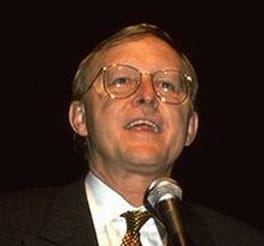
Photo: Knnkanda / CC BY-SA 3.0 (source: Wikimedia Commons)
Born on March 23, 1944, James H. Clark is from Plainview, Texas, United States. James H. Clark is a computer scientist, engineer and businessperson. The age as of 2026 is 82. Education on record includes Tulane University of Louisiana.
My Take
What strikes me about James H. Clark is his refusal to settle. Most people would retire on Silicon Graphics alone, yet he kept stacking foundational companies, Netscape, myCFO, Healtheon, as if reinventing entire industries were a hobby. I admire that he is a rare breed: a genuine computer scientist who could also build and bankroll businesses, bridging the gap between the lab and the market. His 3D graphics research quietly underpins how we render digital worlds today. From a small Texas town to repeatedly shaping the tech era, Clark embodies the restless, technically literate founder I find far more compelling than the louder showmen of the Valley.
This take was written by generative AI, one per person, from publicly reported facts (editorial policy). It is a reading of the record, not reporting.
1. Profile
- Name (English)
- James H. Clark
- Name (Japanese)
- ジェームズ・クラーク
- Reading
- じぇーむず・くらーく
- Born
- March 23, 1944 (age 82)
- Origin
- Plainview, Texas, United States
- Occupation
- computer scientist / engineer / businessperson / entrepreneur / university teacher
- Zodiac / Chinese zodiac
- Aries / Monkey
2. Background
- University
- Tulane University of Louisiana
3. Links
4. About this entry
Tags
- Last updated
Facts are limited to publicly available information up to 2024; non-public or unconfirmed items are omitted. English text is machine-assisted (facts translated by Sonnet, "My Take" written by Opus 4.8). The Japanese page is the source of record.
Frequently asked questions
When was James H. Clark born?
Born March 23, 1944 (age 82).
Where is James H. Clark from?
James H. Clark is from Plainview, Texas, United States.
What does James H. Clark do?
James H. Clark works as computer scientist, engineer, businessperson, entrepreneur, university teacher.
Computer scientist — see all → · Engineer — see all → · More people from the United States →