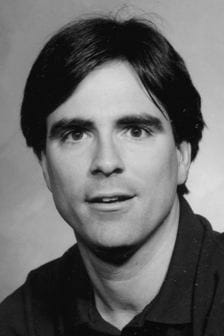
Photo: Randy Pausch / Public domain (source: Wikimedia Commons)
Public records list Randy Pausch as a motivational speaker, computer scientist and writer. Born on October 23, 1960, Randy Pausch was from Baltimore, Maryland, United States. Death is recorded on July 25, 2008, at the age of 47. Schooling on record includes Oakland Mills High School and Brown University. Recorded honors include Presidential Young Investigator Award, CHI Academy (2008) and ACM Fellow (2007).
My Take
Randy Pausch is one of those rare figures I'd file under teacher first, everything else second. A Carnegie Mellon computer scientist who worked in human-computer interaction and design, he became known worldwide not for a product but for The Last Lecture, delivered after a terminal pancreatic cancer diagnosis. What moves me is the framing: given three to six months, he chose to talk about living your childhood dreams rather than dying. The ACM Fellowship and CHI Academy honors confirm he was a serious scholar, not just an inspirational speaker. I think his real legacy is proving a single lecture can outlast a whole career of papers.
This take was written by generative AI, one per person, from publicly reported facts (editorial policy). It is a reading of the record, not reporting.
1. Profile
- Name (English)
- Randy Pausch
- Name (Japanese)
- ランディ・パウシュ
- Reading
- らんでぃ・ぱうしゅ
- Born
- October 23, 1960 – July 25, 2008
- Origin
- Baltimore, Maryland, United States
- Occupation
- motivational speaker / computer scientist / writer / pedagogue / university teacher
- Zodiac / Chinese zodiac
- Libra / Rat
2. Background
- High school
- Oakland Mills High School
- University
- Brown University
Awards & achievements
- Presidential Young Investigator Award
- 2008 CHI Academy
- 2007 ACM Fellow
3. Works & records
Filmography / notable works
| Category | Title |
|---|---|
| Notable work | The Last Lecture |
4. Links
- Official sitehttp://download.srv.cs.cmu.edu/~pausch/
- Wikipedia (English)https://en.wikipedia.org/wiki/Randy%20Pausch
- Wikipedia (Japanese)https://ja.wikipedia.org/wiki/%E3%83%A9%E3%83%B3%E3%83%87%E3%82%A3%E3%83%BB%E3%83%91%E3%82%A6%E3%82%B7%E3%83%A5
- Wikidatahttps://www.wikidata.org/wiki/Q49828
5. About this entry
Tags
- Last updated
Facts are limited to publicly available information up to 2024; non-public or unconfirmed items are omitted. English text is machine-assisted (facts translated by Sonnet, "My Take" written by Opus 4.8). The Japanese page is the source of record.
Frequently asked questions
When was Randy Pausch born?
Born October 23, 1960.
When did Randy Pausch die?
Died July 25, 2008, aged 47.
Where was Randy Pausch from?
Randy Pausch was from Baltimore, Maryland, United States.
What did Randy Pausch do?
Randy Pausch worked as motivational speaker, computer scientist, writer, pedagogue, university teacher.
What was Randy Pausch known for?
Notable works include The Last Lecture.
Motivational speaker — see all → · Computer scientist — see all → · More people from the United States →