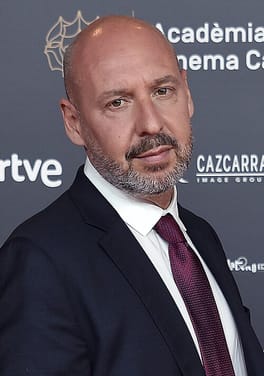
Photo: GuillemMedina / CC BY-SA 4.0 (source: Wikimedia Commons)
Jaume Balagueró is credited as a film director and screenwriter. Born on November 2, 1968, Jaume Balagueró is from Lleida, Province of Lleida, Spain. That works out to 57 years old in 2026. Schooling on record includes University of Barcelona. Awards on record include Gaudí Award for Best Director (2012), Sitges Film Festival Best Director award (2007) and Time Machine Award (2011).
My Take
Jaume Balagueró is, for my money, one of the sharpest horror minds Spain has produced. The REC franchise reinvented found-footage dread by trapping us in a single apartment building, and that claustrophobic terror still gets under my skin years later. What I respect is that he treats genre filmmaking as serious craft rather than disposable shock, an attitude validated by his 2012 Gaudí Award and his recognition at Sitges. He proved Spanish horror could be both commercially ferocious and artistically legitimate, and I'm grateful for it.
This take was written by generative AI, one per person, from publicly reported facts (editorial policy). It is a reading of the record, not reporting.
1. Profile
- Name (English)
- Jaume Balagueró
- Name (Japanese)
- ジャウマ・バラゲロ
- Reading
- じゃうま・ばらげろ
- Born
- November 2, 1968 (age 57)
- Origin
- Lleida, Province of Lleida, Spain
- Occupation
- film director / screenwriter
- Zodiac / Chinese zodiac
- Scorpio / Monkey
2. Background
- University
- University of Barcelona
Awards & achievements
- 2012 Gaudí Award for Best Director
- 2007 Sitges Film Festival Best Director award
- 2011 Time Machine Award
3. Links
4. About this entry
Tags
- Last updated
Facts are limited to publicly available information up to 2024; non-public or unconfirmed items are omitted. English text is machine-assisted (facts translated by Sonnet, "My Take" written by Opus 4.8). The Japanese page is the source of record.
Frequently asked questions
When was Jaume Balagueró born?
Born November 2, 1968 (age 57).
Where is Jaume Balagueró from?
Jaume Balagueró is from Lleida, Province of Lleida, Spain.
What does Jaume Balagueró do?
Jaume Balagueró works as film director, screenwriter.
Film director — see all → · Screenwriter — see all → · More people from Spain →