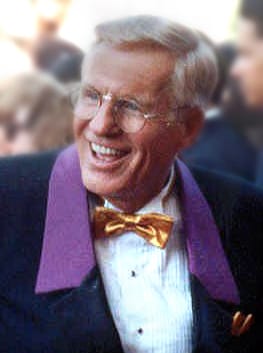
Photo: Alan Light / CC BY 2.0 (source: Wikimedia Commons)
Jerry Van Dyke was a banjoist, comedian and television actor, born on July 27, 1931 in Danville, Illinois, United States. Death is recorded on January 5, 2018, at the age of 86. Education on record includes Danville High School.
My Take
Jerry Van Dyke fascinates me precisely because he spent a career in the long shadow of his brother Dick, and still carved out a real identity. Most people would have buckled under that comparison, but he leaned into being the dependable character actor, the warm guest face, the guy with a banjo and a deck of cards. I admire that kind of unglamorous longevity far more than fleeting stardom. There's something deeply human about a kid from Danville, Illinois, who never chased the spotlight yet kept earning laughs for decades. To me, he's a quiet lesson in finding your own lane.
This take was written by generative AI, one per person, from publicly reported facts (editorial policy). It is a reading of the record, not reporting.
1. Profile
- Name (English)
- Jerry Van Dyke
- Name (Japanese)
- ジェリー・ヴァン・ダイク
- Reading
- じぇりー・ゔぁん・だいく
- Born
- July 27, 1931 – January 5, 2018
- Origin
- Danville, Illinois, United States
- Occupation
- actor / banjoist / comedian / television actor / poker player
- Zodiac / Chinese zodiac
- Leo / Goat
2. Background
- High school
- Danville High School
3. Links
- Wikipedia (English)https://en.wikipedia.org/wiki/Jerry%20Van%20Dyke
- Wikidatahttps://www.wikidata.org/wiki/Q927631
4. About this entry
Tags
- Last updated
Facts are limited to publicly available information up to 2024; non-public or unconfirmed items are omitted. English text is machine-assisted (facts translated by Sonnet, "My Take" written by Opus 4.8). The Japanese page is the source of record.
Frequently asked questions
When was Jerry Van Dyke born?
Jerry Van Dyke was born on July 27, 1931.
When did Jerry Van Dyke die?
Jerry Van Dyke died on January 5, 2018, aged 86.
Where was Jerry Van Dyke from?
Jerry Van Dyke was from Danville, Illinois, United States.
What did Jerry Van Dyke do?
Jerry Van Dyke worked as actor, banjoist, comedian, television actor, poker player.
Which high school did Jerry Van Dyke attend?
Jerry Van Dyke attended Danville High School.
Actor — see all → · Banjoist — see all → · More people from the United States → · More people born on July 27 →