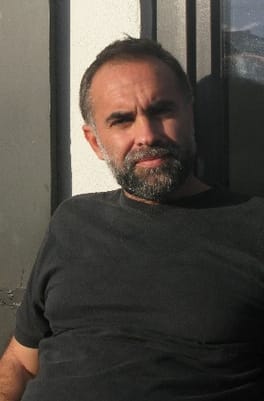
Photo: Karim Aïnouz / CC BY 3.0 (source: Wikimedia Commons)
Karim Aïnouz was born on January 17, 1966 in Fortaleza, Ceará, Brazil and is credited as a film director, screenwriter and artist. That puts Karim Aïnouz at 60 years old in 2026. Notable works include The Invisible Life.
My Take
Brazilian cinema gets pegged as sun-soaked and exuberant, but Aïnouz works in a different register entirely. From Fortaleza in the northeast, he's a screenwriter and visual artist as much as a director, and The Invisible Life of Eurídice Gusmão is a suffocatingly tender study of two sisters torn apart by patriarchy. What impresses me is his patience as a builder of feeling, the way color and emotion carry equal weight in his frames. Few filmmakers earn both the director and the artist label honestly. He has, and I've come to admire him quietly and completely.
This take was written by generative AI, one per person, from publicly reported facts (editorial policy). It is a reading of the record, not reporting.
1. Profile
- Name (English)
- Karim Aïnouz
- Name (Japanese)
- カリム・アイノズ
- Reading
- かりむ・あいのず
- Born
- January 17, 1966 (age 60)
- Origin
- Fortaleza, Ceará, Brazil
- Occupation
- film director / screenwriter / director / artist
- Zodiac / Chinese zodiac
- Capricorn / Horse
2. Works & records
Filmography / notable works
| Category | Title |
|---|---|
| Notable work | The Invisible Life |
3. Links
4. About this entry
Tags
- Last updated
Facts are limited to publicly available information up to 2024; non-public or unconfirmed items are omitted. English text is machine-assisted (facts translated by Sonnet, "My Take" written by Opus 4.8). The Japanese page is the source of record.
Frequently asked questions
When was Karim Aïnouz born?
Born January 17, 1966 (age 60).
Where is Karim Aïnouz from?
Karim Aïnouz is from Fortaleza, Ceará, Brazil.
What does Karim Aïnouz do?
Karim Aïnouz works as film director, screenwriter, director, artist.
What is Karim Aïnouz known for?
Notable works include The Invisible Life.
Film director — see all → · Screenwriter — see all → · More people from Brazil →