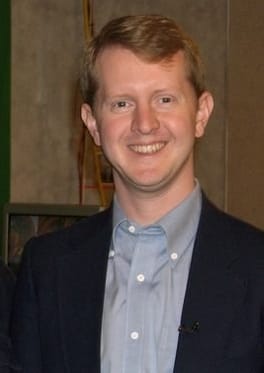
Photo: Philkon (Phil Konstantin) / CC BY-SA 3.0 (source: Wikimedia Commons)
Ken Jennings, born on May 23, 1974 in Edmonds, Washington, United States, is a software engineer, blogger and non-fiction writer. As of 2026, Ken Jennings is 52 years old. Schooling on record includes Brigham Young University. Notable works include Omnibus.
My Take
Ken Jennings fascinates me because he turned trivia, the most disposable form of knowledge, into a life's work with real warmth. A software engineer from Washington walked onto Jeopardy! in 2004, won 74 straight games, and instead of cashing out spent the next two decades writing witty books, podcasting, and eventually inheriting the host's podium itself. That arc, from challenger to custodian, feels almost mythic to me. What I value most is his tone: never smug, always delighted that the world contains this much to know. He proves curiosity can be a career, and a generous one at that.
This take was written by generative AI, one per person, from publicly reported facts (editorial policy). It is a reading of the record, not reporting.
1. Profile
- Name (English)
- Ken Jennings
- Name (Japanese)
- ケン・ジェニングス
- Reading
- けん・じぇにんぐす
- Born
- May 23, 1974 (age 52)
- Origin
- Edmonds, Washington, United States
- Occupation
- software engineer / blogger / non-fiction writer / computer scientist / game show contestant
- Zodiac / Chinese zodiac
- Gemini / Tiger
2. Background
- University
- Brigham Young University
3. Works & records
Filmography / notable works
| Category | Title |
|---|---|
| Notable work | Omnibus |
4. Links
- Official sitehttps://ken-jennings.com
- Xhttps://x.com/KenJennings
- Wikipedia (English)https://en.wikipedia.org/wiki/Ken%20Jennings
- Wikipedia (Japanese)https://ja.wikipedia.org/wiki/%E3%82%B1%E3%83%B3%E3%83%BB%E3%82%B8%E3%82%A7%E3%83%8B%E3%83%B3%E3%82%B0%E3%82%B9
- Wikidatahttps://www.wikidata.org/wiki/Q186
5. About this entry
Tags
- Last updated
Facts are limited to publicly available information up to 2024; non-public or unconfirmed items are omitted. English text is machine-assisted (facts translated by Sonnet, "My Take" written by Opus 4.8). The Japanese page is the source of record.
Frequently asked questions
When was Ken Jennings born?
Born May 23, 1974 (age 52).
Where is Ken Jennings from?
Ken Jennings is from Edmonds, Washington, United States.
What does Ken Jennings do?
Ken Jennings works as software engineer, blogger, non-fiction writer, computer scientist, game show contestant.
What is Ken Jennings known for?
Notable works include Omnibus.