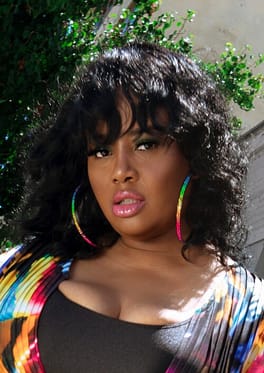
Photo: Team Hathaway / CC BY-SA 4.0 (source: Wikimedia Commons)
Lalah Hathaway was born on December 16, 1968 in Chicago, Illinois, United States and is credited as a singer, jazz musician and recording artist. Lalah Hathaway is 57 years old as of 2026. Education on record includes Berklee College of Music. Listed accolades include Grammy Award for Best Traditional R&B Performance (2015).
My Take
Lalah Hathaway is, to my ears, one of the most quietly astonishing voices in soul. Born in Chicago in 1968 and trained at Berklee, she carries the weight of being Donny Hathaway's daughter while standing entirely on her own, the "First Daughter of Soul" who broke through with her 1990 debut. Her Grammy for Best Traditional R&B Performance feels almost like an understatement next to her reputation among musicians for her control and those famous chord-singing moments. What I admire most is the patience: a career built on craft rather than hype. If you've never sat with her records, you're missing something special.
This take was written by generative AI, one per person, from publicly reported facts (editorial policy). It is a reading of the record, not reporting.
1. Profile
- Name (English)
- Lalah Hathaway
- Name (Japanese)
- レイラ・ハサウェイ
- Reading
- れいら・はさうぇい
- Born
- December 16, 1968 (age 57)
- Origin
- Chicago, Illinois, United States
- Occupation
- singer / jazz musician / recording artist / composer / musician
- Zodiac / Chinese zodiac
- Sagittarius / Monkey
2. Background
- University
- Berklee College of Music
Awards & achievements
- 2015 Grammy Award for Best Traditional R&B Performance
3. Links
- Official sitehttps://www.lalahhathaway.com
- Instagramhttps://www.instagram.com/lalahhathaway/
- Xhttps://x.com/LalahHathaway
- Wikipedia (English)https://en.wikipedia.org/wiki/Lalah%20Hathaway
- Wikipedia (Japanese)https://ja.wikipedia.org/wiki/%E3%83%AC%E3%82%A4%E3%83%A9%E3%83%BB%E3%83%8F%E3%82%B5%E3%82%A6%E3%82%A7%E3%82%A4
- Wikidatahttps://www.wikidata.org/wiki/Q2695159
4. About this entry
Tags
- Last updated
Facts are limited to publicly available information up to 2024; non-public or unconfirmed items are omitted. English text is machine-assisted (facts translated by Sonnet, "My Take" written by Opus 4.8). The Japanese page is the source of record.
Frequently asked questions
When was Lalah Hathaway born?
Born December 16, 1968 (age 57).
Where is Lalah Hathaway from?
Lalah Hathaway is from Chicago, Illinois, United States.
What does Lalah Hathaway do?
Lalah Hathaway works as singer, jazz musician, recording artist, composer, musician.
Singer — see all → · Jazz musician — see all → · More people from the United States →