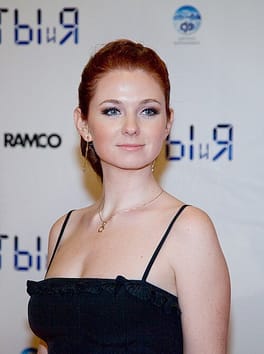
Photo: M Kubrì / CC BY-SA 2.0 (source: Wikimedia Commons)
Public records list Lena Katina as a singer, songwriter and film director. Lena Katina was born in Moscow, Moscow Governorate, Duchy of Moscow on October 4, 1984. The age as of 2026 is 41. Education on record includes Lomonosov Moscow State University. The listed height is 162 cm.
My Take
Katina represents something I find quietly admirable: an artist who outlasted the gimmick that made her famous. As half of t.A.T.u., she was packaged into a provocation, but underneath the controversy was a genuinely strong, emotive voice that hooked a whole generation. What interests me is the road after the spotlight faded. She kept singing solo, started writing her own songs, and even moved into directing, refusing to be a footnote in someone else's project. Add in a Moscow State University education and you get a smarter, more grounded artist than the early hype ever suggested. I respect builders, and she rebuilt herself.
This take was written by generative AI, one per person, from publicly reported facts (editorial policy). It is a reading of the record, not reporting.
1. Profile
- Name (English)
- Lena Katina
- Name (Japanese)
- リェーナ・カーチナ
- Reading
- りぇーな・かーちな
- Born
- October 4, 1984 (age 41)
- Origin
- Moscow, Moscow Governorate, Duchy of Moscow
- Height
- 162 cm
- Occupation
- singer / songwriter / film director
- Zodiac / Chinese zodiac
- Libra / Rat
2. Background
- University
- Lomonosov Moscow State University
3. Links
- Official sitehttp://lenakatina.com
- Instagramhttps://www.instagram.com/lenakatina/
- Xhttps://x.com/LenaKatina
- Wikipedia (English)https://en.wikipedia.org/wiki/Lena%20Katina
- Wikipedia (Japanese)https://ja.wikipedia.org/wiki/%E3%83%AA%E3%82%A7%E3%83%BC%E3%83%8A%E3%83%BB%E3%82%AB%E3%83%BC%E3%83%81%E3%83%8A
- Wikidatahttps://www.wikidata.org/wiki/Q228826
4. About this entry
Tags
- Last updated
Facts are limited to publicly available information up to 2024; non-public or unconfirmed items are omitted. English text is machine-assisted (facts translated by Sonnet, "My Take" written by Opus 4.8). The Japanese page is the source of record.
Frequently asked questions
When was Lena Katina born?
Born October 4, 1984 (age 41).
Where is Lena Katina from?
Lena Katina is from Moscow, Moscow Governorate, Duchy of Moscow.
What does Lena Katina do?
Lena Katina works as singer, songwriter, film director.
How tall is Lena Katina?
Lena Katina is 162 cm.
Singer — see all → · Songwriter — see all → · More people from the Duchy of Moscow →