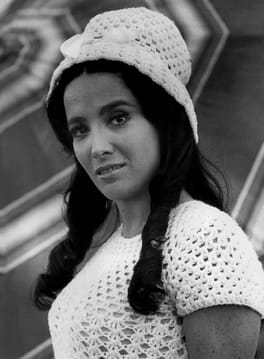
Photo: NBC Television / Public domain (source: Wikimedia Commons)
Born on February 23, 1931, Linda Cristal was from Buenos Aires, Argentina. Linda Cristal was listed as an autobiographer, film actor and television actor. Death is recorded on June 27, 2020, at the age of 89.
My Take
What strikes me about Linda Cristal is the quiet audacity of her career. A girl from Buenos Aires walking into 1950s Hollywood, holding her own in Westerns, and then snatching a Golden Globe for The Perfect Furlough is no small feat for an outsider. Her long run as Victoria Cannon on The High Chaparral tells me she had staying power, not just a lucky break. I admire that she later wrote her own memoir, refusing to let others narrate her life. In an era far less welcoming to immigrant actresses, she carved a real place for herself, and that grit earns my respect.
This take was written by generative AI, one per person, from publicly reported facts (editorial policy). It is a reading of the record, not reporting.
1. Profile
- Name (English)
- Linda Cristal
- Name (Japanese)
- リンダ・クリスタル
- Reading
- りんだ・くりすたる
- Born
- February 23, 1931 – June 27, 2020
- Origin
- Buenos Aires, Argentina
- Occupation
- actor / autobiographer / film actor / television actor
- Zodiac / Chinese zodiac
- Pisces / Goat
2. Links
3. About this entry
Tags
- Last updated
Facts are limited to publicly available information up to 2024; non-public or unconfirmed items are omitted. English text is machine-assisted (facts translated by Sonnet, "My Take" written by Opus 4.8). The Japanese page is the source of record.
Frequently asked questions
When was Linda Cristal born?
Born February 23, 1931.
When did Linda Cristal die?
Died June 27, 2020, aged 89.
Where was Linda Cristal from?
Linda Cristal was from Buenos Aires, Argentina.
What did Linda Cristal do?
Linda Cristal worked as actor, autobiographer, film actor, television actor.
Actor — see all → · Autobiographer — see all → · More people from Argentina →