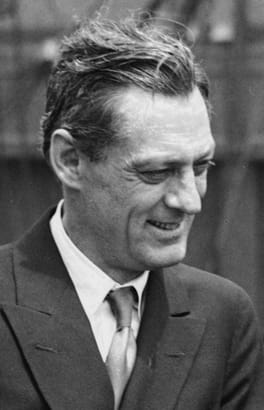
Photo: George Grantham Bain Collection (Library of Congress) / Public domain (source: Wikimedia Commons)
Born on April 28, 1878 in Philadelphia, Pennsylvania, United States, Lionel Barrymore was a film director, composer and musician. Death is recorded on November 15, 1954, at the age of 76. Recorded honors include Academy Award for Best Actor (1931) and star on Hollywood Walk of Fame.
My Take
Lionel Barrymore is one of those figures who deserves way more recognition than he typically gets today — the man was a genuine triple threat long before that phrase existed. Born into the legendary Barrymore acting dynasty, he could have coasted on the family name, but instead he worked his way up through stage and early silent film before absolutely owning the sound era. His Academy Award win for A Free Soul in 1931 is well-earned, but honestly, most people know him as the wheelchair-bound villain Mr. Potter in It's a Wonderful Life, and what a performance that is — cold, calculating, utterly memorable. What I love is that he didn't stop at acting: he directed, composed music, wrote screenplays. A genuine craftsman who seemed compelled to create in every medium available to him. Hollywood doesn't produce careers quite like that anymore.
This take was written by generative AI, one per person, from publicly reported facts (editorial policy). It is a reading of the record, not reporting.
1. Profile
- Name (English)
- Lionel Barrymore
- Name (Japanese)
- ライオネル・バリモア
- Reading
- らいおねる・ばりもあ
- Born
- April 28, 1878 – November 15, 1954
- Origin
- Philadelphia, Pennsylvania, United States
- Occupation
- film director / composer / musician / screenwriter / stage actor
- Zodiac / Chinese zodiac
- Taurus / Tiger
2. Background
Awards & achievements
- 1931 Academy Award for Best Actor
- star on Hollywood Walk of Fame
3. Links
4. About this entry
Tags
- Last updated
Only publicly available facts are listed; non-public or unconfirmed items are omitted. Base data was compiled from Wikidata from June 2026 onward; ages are recalculated daily and deaths are checked against Wikidata on an ongoing basis. English text is machine-assisted (facts translated by Sonnet, "My Take" written by Opus 4.8). The Japanese page is the source of record.
Frequently asked questions
When was Lionel Barrymore born?
Lionel Barrymore was born on April 28, 1878.
When did Lionel Barrymore die?
Lionel Barrymore died on November 15, 1954, aged 76.
Where was Lionel Barrymore from?
Lionel Barrymore was from Philadelphia, Pennsylvania, United States.
What did Lionel Barrymore do?
Lionel Barrymore worked as film director, composer, musician, screenwriter, stage actor.
Film director — see all → · Composer — see all → · More people from the United States → · More people born on April 28 →