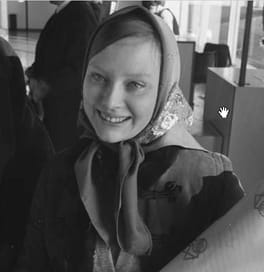
Photo: Evers, Joost / Anefo, [onbekend] / CC0 (source: Wikimedia Commons)
Ludmila Savelyeva was born on January 24, 1942 in Saint Petersburg, Russia and is credited as a film actor, ballet dancer and stage actor. As of 2026, Ludmila Savelyeva is 84 years old. Awards on record include Order of the Red Banner of Labour (1967), People's Artist of the RSFSR (1985), Merited Artist of the RSFSR (1969) and 1 more.
My Take
There's something almost mythic about Ludmila Savelyeva — she was a trained ballerina who had never acted before when director Sergei Bondarchuk cast her as Natasha Rostova in the massive Soviet epic War and Peace, and she absolutely nailed it. That 1966–67 film is a genuine cinematic achievement, and her Natasha — radiant, impulsive, heartbreaking — is the emotional center holding the whole sprawling thing together. The film went on to win the Academy Award for Best Foreign Language Film, which is a remarkable footnote for a Soviet production of that scale. Savelyeva earned People's Artist of the RSFSR honors, which says a lot about how seriously her home country took her craft. I find it fascinating that her most iconic role came from a background in dance rather than drama — the physical grace just reads on camera in a way that pure acting training can't always manufacture.
This take was written by generative AI, one per person, from publicly reported facts (editorial policy). It is a reading of the record, not reporting.
1. Profile
- Name (English)
- Ludmila Savelyeva
- Name (Japanese)
- リュドミラ・サベーリエワ
- Reading
- りゅどみら・さべーりえわ
- Born
- January 24, 1942 (age 84)
- Origin
- Saint Petersburg, Russia
- Occupation
- film actor / ballet dancer / stage actor / actor
- Zodiac / Chinese zodiac
- Aquarius / Horse
2. Background
Awards & achievements
- 1967 Order of the Red Banner of Labour
- 1985 People's Artist of the RSFSR
- 1969 Merited Artist of the RSFSR
- Order of Cyril and Methodius
3. Links
4. About this entry
Tags
- Last updated
Facts are limited to publicly available information up to 2024; non-public or unconfirmed items are omitted. English text is machine-assisted (facts translated by Sonnet, "My Take" written by Opus 4.8). The Japanese page is the source of record.
Frequently asked questions
When was Ludmila Savelyeva born?
Born January 24, 1942 (age 84).
Where is Ludmila Savelyeva from?
Ludmila Savelyeva is from Saint Petersburg, Russia.
What does Ludmila Savelyeva do?
Ludmila Savelyeva works as film actor, ballet dancer, stage actor, actor.
Film actor — see all → · Ballet dancer — see all → · More people from Russia →