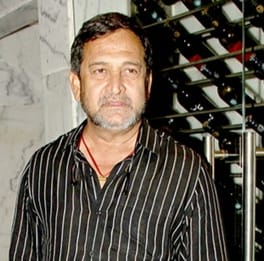
Photo: Bollywood Hungama / CC BY 3.0 (source: Wikimedia Commons)
Public records list Mahesh Manjrekar as a film director, film producer and screenwriter. Mahesh Manjrekar was born on August 16, 1958 in Mumbai, Bombay State, India. That works out to 68 years old in 2026. Education on record includes Don Bosco High School and Elphinstone College.
My Take
What strikes me about Mahesh Manjrekar is his refusal to be boxed in. Director, actor, screenwriter, producer, working fluidly across Hindi, Marathi and Telugu cinema, he is the kind of total filmmaker who understands a movie from every angle. I find his directorial work, especially Vaastav and Astitva, far more interesting than the glossy mainstream Bollywood fare, because he gravitates toward grounded human drama with real moral weight. A Mumbai man through and through, he embodies the craftsmanship that quietly underpins Indian cinema. I have a lot of respect for artists who master both sides of the camera and still keep choosing substance over spectacle.
This take was written by generative AI, one per person, from publicly reported facts (editorial policy). It is a reading of the record, not reporting.
1. Profile
- Name (English)
- Mahesh Manjrekar
- Name (Japanese)
- アヘシュ・マンジェカール
- Reading
- あへしゅ・まんじぇかーる
- Born
- August 16, 1958 (age 68)
- Origin
- Mumbai, Bombay State, India
- Occupation
- film director / actor / film producer / screenwriter / television actor
- Zodiac / Chinese zodiac
- Leo / Dog
2. Background
- High school
- Don Bosco High School
- University
- Elphinstone College
3. Links
4. About this entry
Tags
- Last updated
Facts are limited to publicly available information up to 2024; non-public or unconfirmed items are omitted. English text is machine-assisted (facts translated by Sonnet, "My Take" written by Opus 4.8). The Japanese page is the source of record.
Frequently asked questions
When was Mahesh Manjrekar born?
Born August 16, 1958 (age 68).
Where is Mahesh Manjrekar from?
Mahesh Manjrekar is from Mumbai, Bombay State, India.
What does Mahesh Manjrekar do?
Mahesh Manjrekar works as film director, actor, film producer, screenwriter, television actor.
Film director — see all → · Actor — see all → · More people from India →