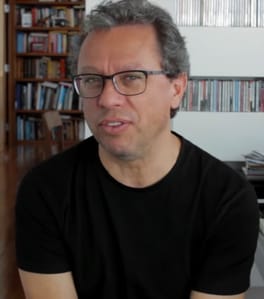
Photo: FESTIVAL MÚSICA JÚNIOR / CC BY 3.0 (source: Wikimedia Commons)
Born on April 25, 1960, Mário Laginha is from Lisbon, Portugal. Mário Laginha is listed as a pianist, jazz musician and composer. That works out to 66 years old in 2026. Awards on record include Officer of the Order of Prince Henry and Commander of the Order of Prince Henry.
My Take
Laginha is the kind of musician I find quietly compelling: a Portuguese pianist who built much of his legacy not as a solo headliner but as one half of a decades-long partnership with singer Maria João, recording over a dozen albums together. To me that says something about temperament. He seems wired for dialogue, for listening and responding rather than dominating. Being decorated with the Order of Prince Henry confirms he is treated as a national treasure at home. I admire artists who chase craft over spectacle, and Laginha strikes me as exactly that sort of patient, world-touring virtuoso whose work rewards close listening.
This take was written by generative AI, one per person, from publicly reported facts (editorial policy). It is a reading of the record, not reporting.
1. Profile
- Name (English)
- Mário Laginha
- Name (Japanese)
- マリオ・ラジーニャ
- Reading
- まりお・らじーにゃ
- Born
- April 25, 1960 (age 66)
- Origin
- Lisbon, Portugal
- Occupation
- pianist / jazz musician / composer / music arranger / musician
- Zodiac / Chinese zodiac
- Taurus / Rat
2. Background
Awards & achievements
- Officer of the Order of Prince Henry
- Commander of the Order of Prince Henry
3. Links
4. About this entry
Tags
- Last updated
Facts are limited to publicly available information up to 2024; non-public or unconfirmed items are omitted. English text is machine-assisted (facts translated by Sonnet, "My Take" written by Opus 4.8). The Japanese page is the source of record.
Frequently asked questions
When was Mário Laginha born?
Born April 25, 1960 (age 66).
Where is Mário Laginha from?
Mário Laginha is from Lisbon, Portugal.
What does Mário Laginha do?
Mário Laginha works as pianist, jazz musician, composer, music arranger, musician.
Pianist — see all → · Jazz musician — see all → · More people from Portugal →