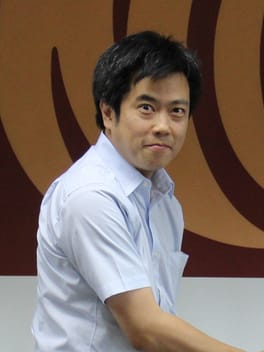
Photo: Taiwan National Communications Commission / CC BY 4.0 (source: Wikimedia Commons)
My Take
Masahiro Sogabe is the kind of figure who operates a few layers beneath the public radar but probably has more influence on how Japanese society actually functions than most people you could name. A Kyoto University-trained legal scholar who straddles the line between advisory attorney and academic researcher — that "jurist" label says it all, really. Born in 1974, he became a Kyoto University professor of constitutional and media law, comparing Japanese and French media regulation and extending his work to broadcasting and internet law, and he now heads an association on the social media environment. I find that breed of legal thinker genuinely fascinating: not the flashy courtroom performer, but the person who shapes the architecture of the rules themselves. Very little about his personal life is public, which somehow feels fitting — this is someone whose work speaks through legislation and scholarship, not through headlines.
This take was written by generative AI, one per person, from publicly reported facts (editorial policy). It is a reading of the record, not reporting.
Overview
Masahiro Sogabe is a Japanese jurist and researcher born in 1974. He graduated from Kyoto University and is known as both a practicing legal counsel and an academic-leaning legal scholar. A professor at Kyoto University, he specializes in constitutional and media law, comparing Japanese and French media regulation.
1. Profile
- Name (English)
- Masahiro Sogabe
- Name (Japanese)
- 曽我部真裕
- Reading
- そがべ まさひろ
- Born
- 1974
- Origin
- Japan
- Occupation
- Legal Counsel / Researcher / Jurist
- Zodiac / Chinese zodiac
- Tiger
2. Background
- University
- Kyoto University
3. Links
4. About this entry
Tags
- Last updated
Only publicly available facts are listed; non-public or unconfirmed items are omitted. Base data was compiled from Wikidata from June 2026 onward; ages are recalculated daily and deaths are checked against Wikidata on an ongoing basis. English text is machine-assisted (facts translated by Sonnet, "My Take" written by Opus 4.8). The Japanese page is the source of record.
Frequently asked questions
Where is Masahiro Sogabe from?
Masahiro Sogabe is from Japan.
What does Masahiro Sogabe do?
Masahiro Sogabe works as Legal Counsel, Researcher, Jurist.
Where did Masahiro Sogabe study?
Masahiro Sogabe attended Kyoto University.