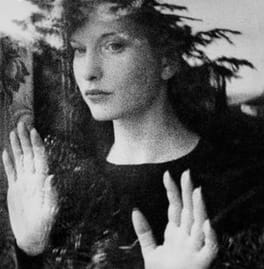
Photo: Maya Deren (1917–1961) / Public domain (source: Wikimedia Commons)
Maya Deren, born on May 12, 1917 in Kyiv, Ukraine, was a film director, dancer and film editor. Maya Deren died on October 13, 1961, aged 44. Education on record includes New York University. Listed accolades include Guggenheim Fellowship (1946). Notable works include Meshes of the Afternoon.
My Take
Maya Deren is, to me, one of cinema's true originals. Born in Kyiv in 1917 and educated at New York University, she became the beating heart of American avant-garde film in the 1940s. Meshes of the Afternoon still unsettles me with how dream and reality tangle like netting. What astonishes me is the range packed into one person: director, dancer, choreographer, editor, poet and theorist, recognized with a 1946 Guggenheim Fellowship. She died at only forty-four, which feels like a theft from film history. I regard her as an artist who expanded what the medium could even attempt.
This take was written by generative AI, one per person, from publicly reported facts (editorial policy). It is a reading of the record, not reporting.
1. Profile
- Name (English)
- Maya Deren
- Name (Japanese)
- マヤ・デレン
- Reading
- まや・でれん
- Born
- May 12, 1917 – October 13, 1961
- Origin
- Kyiv, Ukraine
- Occupation
- film director / dancer / film editor / choreographer / film actor
- Zodiac / Chinese zodiac
- Taurus / Snake
2. Background
- University
- New York University
Awards & achievements
- 1946 Guggenheim Fellowship
3. Works & records
Filmography / notable works
| Category | Title |
|---|---|
| Notable work | Meshes of the Afternoon |
4. Links
- Wikipedia (English)https://en.wikipedia.org/wiki/Maya%20Deren
- Wikipedia (Japanese)https://ja.wikipedia.org/wiki/%E3%83%9E%E3%83%A4%E3%83%BB%E3%83%87%E3%83%AC%E3%83%B3
- Wikidatahttps://www.wikidata.org/wiki/Q450382
5. About this entry
Tags
- Last updated
Facts are limited to publicly available information up to 2024; non-public or unconfirmed items are omitted. English text is machine-assisted (facts translated by Sonnet, "My Take" written by Opus 4.8). The Japanese page is the source of record.
Frequently asked questions
When was Maya Deren born?
Maya Deren was born on May 12, 1917.
When did Maya Deren die?
Maya Deren died on October 13, 1961, aged 44.
Where was Maya Deren from?
Maya Deren was from Kyiv, Ukraine.
What did Maya Deren do?
Maya Deren worked as film director, dancer, film editor, choreographer, film actor.
Where did Maya Deren study?
Maya Deren attended New York University.
What was Maya Deren known for?
Maya Deren's notable works include Meshes of the Afternoon.
Film director — see all → · Dancer — see all → · More people from Ukraine → · More people born on May 12 →