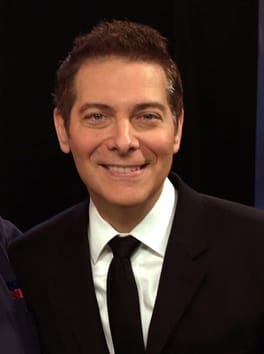
Photo: Philkon Phil Konstantin / Public domain (source: Wikimedia Commons)
Born on September 7, 1956, Michael Feinstein is from Columbus, Ohio, United States. Public records list Michael Feinstein as a singer, songwriter and music historian. That works out to 70 years old in 2026. Listed accolades include Drama Desk Special Award (1988).
My Take
I genuinely admire what Michael Feinstein does. Born in Columbus, Ohio, he is not just a singer but a true custodian of the Great American Songbook, an archivist and interpreter who keeps Gershwin-era music alive for new ears. A five-time Grammy nominee and Drama Desk honoree, he earned his acclaim not by chasing trends but by rescuing songs that might otherwise have faded. That role of the keeper, the one who gathers up endangered treasures rather than the spotlight, feels rare and quietly heroic to me. In a culture obsessed with what is new, Feinstein has built a life out of protecting what is timeless.
This take was written by generative AI, one per person, from publicly reported facts (editorial policy). It is a reading of the record, not reporting.
1. Profile
- Name (English)
- Michael Feinstein
- Name (Japanese)
- マイケル・ファインスタイン
- Reading
- まいける・ふぁいんすたいん
- Born
- September 7, 1956 (age 70)
- Origin
- Columbus, Ohio, United States
- Occupation
- singer / songwriter / music historian / jazz musician / archivist
- Zodiac / Chinese zodiac
- Virgo / Monkey
2. Background
Awards & achievements
- 1988 Drama Desk Special Award
3. Links
- Official sitehttps://www.michaelfeinstein.com/
- Xhttps://x.com/MichaelFeinstei
- Wikipedia (English)https://en.wikipedia.org/wiki/Michael%20Feinstein
- Wikipedia (Japanese)https://ja.wikipedia.org/wiki/%E3%83%9E%E3%82%A4%E3%82%B1%E3%83%AB%E3%83%BB%E3%83%95%E3%82%A1%E3%82%A4%E3%83%B3%E3%82%B9%E3%82%BF%E3%82%A4%E3%83%B3
- Wikidatahttps://www.wikidata.org/wiki/Q454353
4. About this entry
Tags
- Last updated
Facts are limited to publicly available information up to 2024; non-public or unconfirmed items are omitted. English text is machine-assisted (facts translated by Sonnet, "My Take" written by Opus 4.8). The Japanese page is the source of record.
Frequently asked questions
When was Michael Feinstein born?
Michael Feinstein was born on September 7, 1956 and is 70 years old.
Where is Michael Feinstein from?
Michael Feinstein is from Columbus, Ohio, United States.
What does Michael Feinstein do?
Michael Feinstein works as singer, songwriter, music historian, jazz musician, archivist.
Singer — see all → · Songwriter — see all → · More people from the United States →