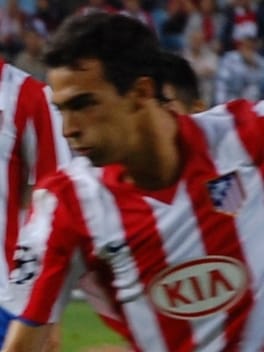
Photo: Sergiolewin / CC BY-SA 3.0 (source: Wikimedia Commons)
Miguel de las Cuevas, born on June 19, 1986 in Alicante, Province of Alicante, Spain, is an association football player. Miguel de las Cuevas is 40 years old as of 2026. The listed height is 175 cm.
My Take
What draws me to Miguel de las Cuevas is the quiet endurance of his career. Bursting out of Hercules and then logging 201 La Liga matches across eight seasons with Atletico Madrid, Sporting Gijon, and Osasuna is no small feat in a league as unforgiving as Spain's. He never became a household superstar, but a versatile attacking midfielder who could float across the wings and operate behind the forwards is exactly the kind of clever, adaptable player coaches treasure. I have a soft spot for footballers who grind out a long top-flight career on craft rather than hype, and his eighteen goals carry real weight.
This take was written by generative AI, one per person, from publicly reported facts (editorial policy). It is a reading of the record, not reporting.
1. Profile
- Name (English)
- Miguel de las Cuevas
- Name (Japanese)
- ミゲル・デ・ラス・クエバス
- Reading
- みげる・で・らす・くえばす
- Born
- June 19, 1986 (age 40)
- Origin
- Alicante, Province of Alicante, Spain
- Height
- 175 cm
- Occupation
- association football player
- Zodiac / Chinese zodiac
- Gemini / Tiger
2. Links
3. About this entry
Tags
- Last updated
Facts are limited to publicly available information up to 2024; non-public or unconfirmed items are omitted. English text is machine-assisted (facts translated by Sonnet, "My Take" written by Opus 4.8). The Japanese page is the source of record.
Frequently asked questions
When was Miguel de las Cuevas born?
Born June 19, 1986 (age 40).
Where is Miguel de las Cuevas from?
Miguel de las Cuevas is from Alicante, Province of Alicante, Spain.
What does Miguel de las Cuevas do?
Miguel de las Cuevas works as association football player.
How tall is Miguel de las Cuevas?
Miguel de las Cuevas is 175 cm.
Association football player — see all → · More people from Spain →