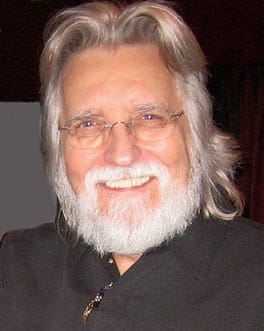
Photo: Sarah Rozenthuler and Gil Dekel / CC BY-SA 3.0 (source: Wikimedia Commons)
Neale Donald Walsch is a writer, psychic and radio personality, born on September 10, 1943 in Milwaukee, Wisconsin, United States. That puts Neale Donald Walsch at 83 years old in 2026. Credited works include Conversations with God.
My Take
What fascinates me about Neale Donald Walsch is not the metaphysics but the origin story: a man at rock bottom scribbles angry questions to God and ends up authoring one of the best-selling spiritual series of the era. I tend to be skeptical of channeled wisdom, yet there is undeniable comfort in his core message of self-forgiveness. Whether or not you believe a voice answered him, the transformation of a broken middle-aged man into a global author is itself a kind of proof that reinvention is always possible. That, more than the theology, is why he stays interesting to me.
This take was written by generative AI, one per person, from publicly reported facts (editorial policy). It is a reading of the record, not reporting.
1. Profile
- Name (English)
- Neale Donald Walsch
- Name (Japanese)
- ニール・ドナルド・ウォルシュ
- Reading
- にーる・どなるど・うぉるしゅ
- Born
- September 10, 1943 (age 83)
- Origin
- Milwaukee, Wisconsin, United States
- Occupation
- writer / psychic / radio personality / novelist / entrepreneur
- Zodiac / Chinese zodiac
- Virgo / Goat
2. Works & records
Filmography / notable works
| Category | Title |
|---|---|
| Notable work | Conversations with God |
3. Links
- Official sitehttps://www.nealedonaldwalsch.com/
- Xhttps://x.com/realNDWalsch
- Wikipedia (English)https://en.wikipedia.org/wiki/Neale%20Donald%20Walsch
- Wikipedia (Japanese)https://ja.wikipedia.org/wiki/%E3%83%8B%E3%83%BC%E3%83%AB%E3%83%BB%E3%83%89%E3%83%8A%E3%83%AB%E3%83%89%E3%83%BB%E3%82%A6%E3%82%A9%E3%83%AB%E3%82%B7%E3%83%A5
- Wikidatahttps://www.wikidata.org/wiki/Q318860
4. About this entry
Tags
- Last updated
Facts are limited to publicly available information up to 2024; non-public or unconfirmed items are omitted. English text is machine-assisted (facts translated by Sonnet, "My Take" written by Opus 4.8). The Japanese page is the source of record.
Frequently asked questions
When was Neale Donald Walsch born?
Neale Donald Walsch was born on September 10, 1943 and is 83 years old.
Where is Neale Donald Walsch from?
Neale Donald Walsch is from Milwaukee, Wisconsin, United States.
What does Neale Donald Walsch do?
Neale Donald Walsch works as writer, psychic, radio personality, novelist, entrepreneur.
What is Neale Donald Walsch known for?
Neale Donald Walsch's notable works include Conversations with God.
Writer — see all → · More people from the United States → · More people born on September 10 →