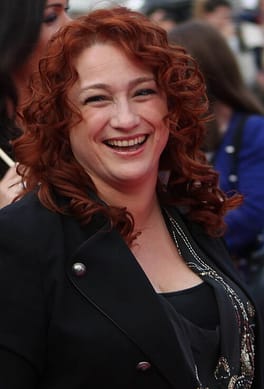
Photo: Flickr_-_aktivioslo_-_Niamh_Kavanagh_-_Irland_(2).jpg: Aktiv I Oslo.no from Oslo, Norway derivative work: César (talk) / CC BY-SA 2.0 (source: Wikimedia Commons)
Niamh Kavanagh was born on February 13, 1968 in Finglas, County Dublin, Ireland. Niamh Kavanagh is listed as a singer. That works out to 58 years old in 2026. Awards on record include First prize of the Eurovision Song Contest (1993).
My Take
What strikes me about Niamh Kavanagh is how a single night can define a legacy. Winning Eurovision 1993 with "In Your Eyes" was no fluke of staging; it was the second of Ireland's record three straight victories, and she carried that pressure with a voice built for the big room. I admire performers who let the work speak rather than the headlines, and a Finglas-raised singer who keeps a low public profile while owning the stage fits that mold perfectly. To me she represents a craftsman's approach to fame, one I find quietly compelling and far more durable than flash.
This take was written by generative AI, one per person, from publicly reported facts (editorial policy). It is a reading of the record, not reporting.
1. Profile
- Name (English)
- Niamh Kavanagh
- Name (Japanese)
- ニアム・カバナ
- Reading
- にあむ・かばな
- Born
- February 13, 1968 (age 58)
- Origin
- Finglas, County Dublin, Ireland
- Occupation
- singer
- Zodiac / Chinese zodiac
- Aquarius / Monkey
2. Background
Awards & achievements
- 1993 First prize of the Eurovision Song Contest
3. Links
- Official sitehttp://www.webwrite.net/niamh.htm
- Wikipedia (English)https://en.wikipedia.org/wiki/Niamh%20Kavanagh
- Wikipedia (Japanese)https://ja.wikipedia.org/wiki/%E3%83%8B%E3%83%BC%E3%83%B4%E3%83%BB%E3%82%AB%E3%83%B4%E3%82%A1%E3%83%8A
- Wikidatahttps://www.wikidata.org/wiki/Q229743
4. About this entry
Tags
- Last updated
Facts are limited to publicly available information up to 2024; non-public or unconfirmed items are omitted. English text is machine-assisted (facts translated by Sonnet, "My Take" written by Opus 4.8). The Japanese page is the source of record.
Frequently asked questions
When was Niamh Kavanagh born?
Born February 13, 1968 (age 58).
Where is Niamh Kavanagh from?
Niamh Kavanagh is from Finglas, County Dublin, Ireland.
What does Niamh Kavanagh do?
Niamh Kavanagh works as singer.