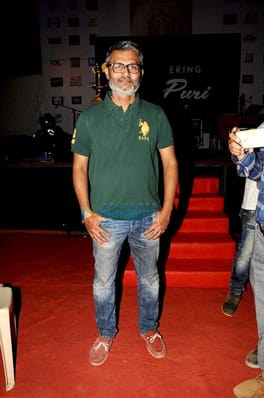
Photo: Bollywood Hungama / CC BY 3.0 (source: Wikimedia Commons)
Born on January 1, 1953, Nitesh Tiwari is from Itarsi, Narmadapuram district, India. Nitesh Tiwari is a film director and screenwriter. The age as of 2026 is 73. Recorded honors include Filmfare Award for Best Director (2017).
My Take
Nitesh Tiwari fascinates me first for the unlikely path: an IIT Bombay engineer who chose cinema instead. That takes nerve. His Filmfare Best Director win and his National Film Award-winning children's film Chillar Party reveal a rare gift for blending mass entertainment with genuine social heart. As a director who also writes and pens lyrics, he clearly wants to shape every layer of a story himself. To me, that hands-on craftsmanship is what separates a manager of scenes from a true author of films. In an industry built on emotion, Tiwari is an engineer of feeling, and I find that combination irresistible.
This take was written by generative AI, one per person, from publicly reported facts (editorial policy). It is a reading of the record, not reporting.
1. Profile
- Name (English)
- Nitesh Tiwari
- Name (Japanese)
- ニテーシュ・ティワーリー
- Reading
- にてーしゅ・てぃわーりー
- Born
- January 1, 1953 (age 73)
- Origin
- Itarsi, Narmadapuram district, India
- Occupation
- film director / screenwriter
- Zodiac / Chinese zodiac
- Capricorn / Snake
2. Background
Awards & achievements
- 2017 Filmfare Award for Best Director
3. Links
4. About this entry
Tags
- Last updated
Facts are limited to publicly available information up to 2024; non-public or unconfirmed items are omitted. English text is machine-assisted (facts translated by Sonnet, "My Take" written by Opus 4.8). The Japanese page is the source of record.
Frequently asked questions
When was Nitesh Tiwari born?
Born January 1, 1953 (age 73).
Where is Nitesh Tiwari from?
Nitesh Tiwari is from Itarsi, Narmadapuram district, India.
What does Nitesh Tiwari do?
Nitesh Tiwari works as film director, screenwriter.
Film director — see all → · Screenwriter — see all → · More people from India →