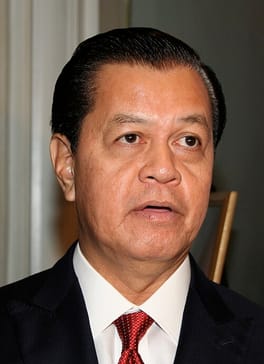
Photo: GOV PH / Public domain (source: Wikimedia Commons)
Noli de Castro, born on July 6, 1949 in Pola, Philippines, is a journalist, politician and radio personality. Noli de Castro is 77 years old as of 2026. Education on record includes De La Salle University.
My Take
What fascinates me about Noli de Castro is the rare arc from trusted newsman to elected power. Topping the 2001 Senate vote and then rising to Vice President of the Philippines shows just how much credibility a broadcaster's voice can carry into politics. I find that crossing genuinely instructive: the same warmth and clarity that made him a household name on the air became political capital. The harder question, and the one I keep turning over, is whether a journalist's instincts survive the move to the other side of the microphone. Either way, he is a figure worth studying for anyone interested in media and trust.
This take was written by generative AI, one per person, from publicly reported facts (editorial policy). It is a reading of the record, not reporting.
1. Profile
- Name (English)
- Noli de Castro
- Name (Japanese)
- ノリ・デ・カストロ
- Reading
- のり・で・かすとろ
- Born
- July 6, 1949 (age 77)
- Origin
- Pola, Philippines
- Occupation
- journalist / politician / radio personality / television presenter / news presenter
- Zodiac / Chinese zodiac
- Cancer / Ox
2. Background
- University
- De La Salle University
3. Links
4. About this entry
Tags
- Last updated
Facts are limited to publicly available information up to 2024; non-public or unconfirmed items are omitted. English text is machine-assisted (facts translated by Sonnet, "My Take" written by Opus 4.8). The Japanese page is the source of record.
Frequently asked questions
When was Noli de Castro born?
Born July 6, 1949 (age 77).
Where is Noli de Castro from?
Noli de Castro is from Pola, Philippines.
What does Noli de Castro do?
Noli de Castro works as journalist, politician, radio personality, television presenter, news presenter.
Journalist — see all → · Politician — see all → · More people from the Philippines →