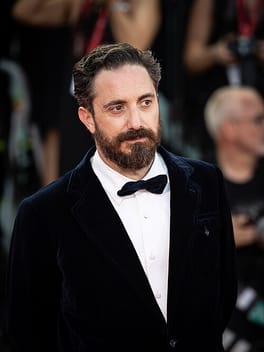
Photo: Harald Krichel / CC BY-SA 4.0 (source: Wikimedia Commons)
Pablo Larraín was born on August 19, 1976 in Santiago, Santiago Metropolitan Region, Chile and is credited as a film director, film producer and executive producer. That puts Pablo Larraín at 50 years old in 2026. Schooling on record includes University for the Arts, Sciences, and Communication. Awards on record include Golden Tulip (2009) and Silver Bear Grand Jury Prize (2015).
My Take
Larraín is, to me, one of the essential filmmakers working today. From his unflinching reckonings with Chile's Pinochet-era wounds to the psychological portraits of Jackie, Spencer and Maria, he has built a singular body of work that excavates the inner lives of women under unbearable pressure. His Silver Bear for The Club confirmed what international audiences already sensed. What I find most distinctive is his cool, intimate-yet-detached gaze, observing his subjects closely while refusing easy sympathy. He has resisted being swallowed by Hollywood while working within it, and I genuinely anticipate whoever he chooses to portray next.
This take was written by generative AI, one per person, from publicly reported facts (editorial policy). It is a reading of the record, not reporting.
1. Profile
- Name (English)
- Pablo Larraín
- Name (Japanese)
- パブロ・ラライン
- Reading
- ぱぶろ・ららいん
- Born
- August 19, 1976 (age 50)
- Origin
- Santiago, Santiago Metropolitan Region, Chile
- Occupation
- film director / film producer / executive producer / camera operator / film screenwriter
- Zodiac / Chinese zodiac
- Leo / Dragon
2. Background
- University
- University for the Arts, Sciences, and Communication
Awards & achievements
- 2009 Golden Tulip
- 2015 Silver Bear Grand Jury Prize
3. Links
4. About this entry
Tags
- Last updated
Facts are limited to publicly available information up to 2024; non-public or unconfirmed items are omitted. English text is machine-assisted (facts translated by Sonnet, "My Take" written by Opus 4.8). The Japanese page is the source of record.
Frequently asked questions
When was Pablo Larraín born?
Pablo Larraín was born on August 19, 1976 and is 50 years old.
Where is Pablo Larraín from?
Pablo Larraín is from Santiago, Santiago Metropolitan Region, Chile.
What does Pablo Larraín do?
Pablo Larraín works as film director, film producer, executive producer, camera operator, film screenwriter.
Where did Pablo Larraín study?
Pablo Larraín attended University for the Arts, Sciences, and Communication.
Film director — see all → · Film producer — see all → · More people from Chile → · More people born on August 19 →