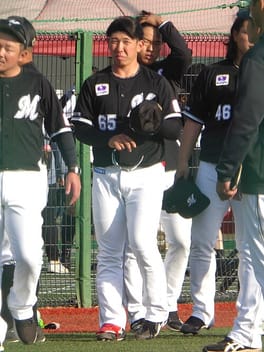
Photo: Hotta Akahane / CC BY 4.0 (source: Wikimedia Commons)
My Take
I'll be honest, I'm a sucker for a prospect, and Ryusei Terachi is exactly the kind of kid I love to keep an eye on. Born in 2005 in Sumida, the old downtown Tokyo neighborhood under the shadow of Skytree, he's barely out of his teens, which means the whole career is still ahead of him. What really gets me is the Meitoku Gijuku connection, that famously brutal baseball boarding school tucked away in the Kochi mountains, where you basically eat, sleep, and breathe the game. You don't survive a place like that without grit and fundamentals drilled into your bones. I can't pretend to know his stat line, but the setup is pure underdog catnip to me, and I'm quietly rooting for him to climb the ladder one rung at a time.
This take was written by generative AI, one per person, from publicly reported facts (editorial policy). It is a reading of the record, not reporting.
Overview
Ryūsei Terachi is a professional baseball player born on August 19, 2005, in Sumida, Tokyo. He attended Meitoku Gijuku High School in Kochi Prefecture, a school renowned for its rigorous baseball program. Still in the early stages of his career as of 2024, Terachi represents a promising young talent from the Tokyo area making his way in Japanese professional baseball.
1. Profile
- Name (English)
- Ryūsei Terachi
- Name (Japanese)
- 寺地隆成
- Reading
- てらち りゅうせい
- Born
- August 19, 2005 (age 21)
- Origin
- Sumida, Tokyo, Japan
- Occupation
- Professional baseball player
- Zodiac / Chinese zodiac
- Leo / Rooster
2. Background
- High school
- Meitoku Gijuku High School
3. Links
- Wikipedia (Japanese)https://ja.wikipedia.org/wiki/%E5%AF%BA%E5%9C%B0%E9%9A%86%E6%88%90
- Wikidatahttps://www.wikidata.org/wiki/Q123406162
4. About this entry
Tags
- Last updated
Facts are limited to publicly available information up to 2024; non-public or unconfirmed items are omitted. English text is machine-assisted (facts translated by Sonnet, "My Take" written by Opus 4.8). The Japanese page is the source of record.
Frequently asked questions
When was Ryūsei Terachi born?
Born August 19, 2005 (age 21).
Where is Ryūsei Terachi from?
Ryūsei Terachi is from Sumida, Tokyo, Japan.
What does Ryūsei Terachi do?
Ryūsei Terachi works as Professional baseball player.
Professional baseball player — see all → · More people from Japan →